
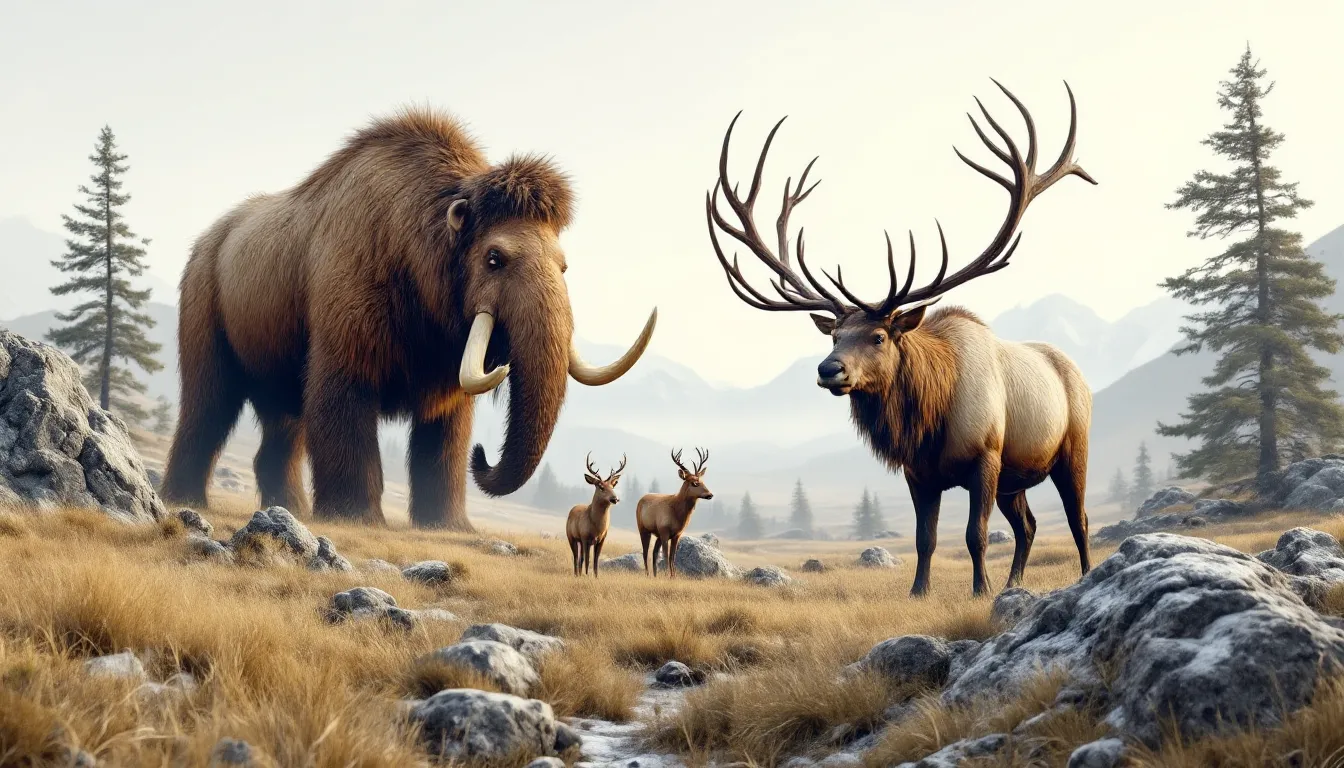
If you’ve spent any time wandering the frozen tundra or dense forests of Skyrim, you’ve probably noticed the province is packed with horned and antlered wildlife. From the majestic elk that roam the plains to the aggressive mammoths guarding giant camps, these creatures aren’t just scenery, they’re essential for crafting, alchemy, and gold farming. Whether you’re hunting for Venison to feed your family in Hearthfire or stalking elk for their valuable pelts, understanding Skyrim’s horned creatures makes survival easier and resource gathering more efficient. This guide breaks down every horned animal in the game, where to find them, how to hunt them effectively, and what loot they drop that’s actually worth your inventory space.
Table of Contents
ToggleKey Takeaways
- Skyrim’s horned creatures—including elk, deer, mammoths, and horkers—are essential for crafting, alchemy, and gold farming, with each creature offering distinct resources like leather, venison, and valuable tusks.
- Elk and deer spawn in high-density zones near Whiterun and Falkreath, respawning every 10 in-game days, making them ideal for early-game hunting to level Archery and gather leather for Smithing.
- Mammoths offer the highest-value drops with 25-gold tusks and powerful alchemy ingredients, but require level 20+ characters and strategic tactics like ranged kiting or giant separation to defeat safely.
- The Hunter’s Discipline perk doubles meat and hide drops from all animals, making it one of the most profitable perks for dedicated hunting builds focused on resource optimization.
- Horkers and their tusks are underrated alchemy materials that combine with Jazbay Grapes to create magicka regeneration potions worth 200+ gold each with decent Alchemy skill.
Understanding Horned Wildlife in Skyrim’s Ecosystem
Skyrim’s ecosystem includes a surprising variety of horned and antlered creatures, each with distinct behaviors, spawn patterns, and loot tables. Unlike hostile predators like sabre cats or bears, most horned animals are passive or neutral, fleeing when attacked rather than fighting back, with notable exceptions like mammoths and certain territorial goats.
The game categorizes these creatures differently for gameplay purposes. Elk and deer are classified as ambient wildlife, spawning dynamically in forests and plains. Mammoths are tied to giant camps and specific spawn points. Highland cattle and goats are semi-domesticated, appearing near farms and mountain settlements. Horkers occupy coastal zones exclusively.
Understanding spawn mechanics helps optimize hunting routes. Creatures respawn every 10 in-game days if their cell resets, meaning you can farm the same locations repeatedly. Weather and time of day don’t significantly affect spawn rates, but certain locations have higher density, the plains between Whiterun and Rorikstead consistently spawn multiple elk and deer simultaneously.
Each horned creature drops specific resources. Elk yield Venison, Elk Hide, and occasionally Large Antlers. Deer drop similar items but with Deer Hide instead. Mammoths provide Mammoth Snout, Mammoth Tusk, and Mammoth Cheese when looted. These materials feed into crafting systems, alchemy recipes, and merchant sale opportunities that can generate substantial gold over a playthrough.
Elk: The Majestic Giants of Skyrim’s Forests
Elk are the largest passive wildlife in Skyrim, standing taller than the player character with impressive antler racks. They’re skittish but not particularly fast, making them ideal targets for new archers practicing stealth kills.
Where to Find Elk in Skyrim
Elk spawn throughout Skyrim but concentrate in specific biomes. The plains surrounding Whiterun Hold, particularly the area between Whiterun and Rorikstead, consistently spawn 3-5 elk. The forests south of Riften near Lake Honrich host regular elk populations. The tundra between Windhelm and Ivarstead spawns elk along the road.
Elk avoid dense forests and mountainous terrain, preferring open grasslands and light tree coverage. They spawn in small groups of 1-3, occasionally mixed with deer. Fast traveling to Whiterun Stables and heading west toward the bend in the road almost always yields elk spawns within 200 meters.
Seasonal mods and weather systems don’t affect vanilla elk spawns, but players using survival and realism mods may find migration patterns or reduced winter populations depending on their mod load order.
Hunting Elk: Tips and Best Practices
Elk have moderate health pools (around 100-150 HP depending on level scaling) and zero armor, making them vulnerable to all damage types. Archery is the preferred method, elk detect you from roughly 50 meters when crouching with zero Sneak skill, but skilled archers can one-shot them from range with headshots.
Optimal hunting approach:
- Crouch and approach from downwind (though wind direction isn’t mechanically tracked, approaching from behind works best)
- Aim for headshots to maximize damage and preserve hide quality (cosmetic, but immersive)
- Use iron or steel arrows minimum, hunting bows work fine for low-level characters
- If detected, elk flee in straight lines, making them easy to track and finish with follow-up shots
Melee hunters can sprint-attack elk before they escape, but ranged takedowns preserve stamina and reduce chase time. Elk don’t become aggressive under any circumstances, so there’s no risk of retaliation.
Elk Loot and Crafting Uses
Every elk drops:
- Venison (1-2 pieces): Restores 5 Health, sells for 4 gold, used in cooking recipes
- Elk Hide (1): Used for Leather and Leather Strips at tanning racks, sells for 10 gold
- Large Antlers (occasional drop): Alchemy ingredient, combines with Torchbug Thorax for Restore Stamina potions, sells for 2 gold
Elk Hide processes into Leather, which is essential for light armor crafting and improving equipment. Early-game characters should stockpile elk hides for leveling Smithing through leather armor spam. Venison becomes valuable with the Hearthfire DLC, as it’s used in homestead cooking and provisioning.
Large Antlers have limited alchemy use, they only combine well with a handful of ingredients for useful effects. Most players sell them immediately rather than hoarding them for potion crafting.
Deer: Common Prey Across the Province
Deer are smaller and more numerous than elk, spawning in virtually every outdoor region of Skyrim. They’re mechanically similar to elk but have slightly less health and different hide drops.
Deer Habitat and Spawn Locations
Deer spawn in forests, plains, and even mountainous regions, making them the most common horned creature in the game. High-density spawn zones include:
- Falkreath Hold: Dense forests south and east of Falkreath spawn deer constantly
- The Rift: Forests surrounding Riften and along the road to Ivarstead
- Whiterun Hold: Same plains as elk, but deer outnumber elk roughly 2:1
- Hjaalmarch: Marshlands near Morthal spawn deer near tree lines
Deer appear solo or in pairs, occasionally mixing with elk herds. They’re more flighty than elk, fleeing at greater detection ranges (roughly 60 meters when crouching with zero Sneak). Players following recommended early-game builds often hunt deer to level Archery and Sneak simultaneously.
Effective Deer Hunting Techniques
Deer have lower HP than elk (80-120 depending on level), making them easier to one-shot with basic bows. The same archery tactics apply: crouch, approach from behind, headshot when possible. Deer flee faster than elk, so missed shots often result in lost targets.
Advanced technique for mass deer hunting:
Use Kyne’s Peace (Animal Allegiance shout variant from the Dragonborn DLC) or the Calm spell to prevent fleeing. This allows melee characters to walk up and kill deer without chases. But, most players find this inefficient compared to standard archery.
Deer don’t fight back, even when cornered. They’ll run until they hit obstacles, then stand still while fleeing animation loops, easy kills for patient hunters.
Deer hunting works well for leveling because of spawn density. Setting up a hunting route through Falkreath Hold forests yields 10-15 deer per circuit, providing steady XP for Archery and resources for Smithing.
Highland Cattle: Domesticated Horned Beasts
Highland cattle are domesticated cows found near farms and settlements. Unlike wild horned creatures, killing cattle often results in bounties or witness reports if done near populated areas.
Spawn locations for highland cattle:
- Rorikstead: Multiple cattle near farmhouses
- Whiterun Stables: 2-3 cattle in pens
- Salvius Farm (Markarth area): Several cattle
- Various homesteads across Skyrim
Cattle are completely passive and don’t flee when attacked, making them easy kills. But, slaughtering livestock near witnesses generates bounties (40 gold typically). Players farming cattle for resources should do so at night or in isolated farm locations.
Cattle loot table:
- Raw Beef: Identical to Venison mechanically, restores 5 Health
- Cattle Hide: Processed into Leather like other animal hides
Cattle offer no significant advantages over wild deer or elk, and the bounty risk makes them inefficient farming targets. They exist primarily for world-building immersion rather than gameplay optimization.
Some players hunt cattle as roleplaying bandits or raiders, but mechanically it’s better to hunt wild elk and deer for the same resources without legal consequences.
Mammoths: Ancient Horned Behemoths
Mammoths are the largest and most dangerous horned creatures in Skyrim. These Ice Age relics travel with giant camps and possess massive HP pools, making them mid-to-late game hunting targets rather than early wildlife.
Mammoth Locations and Giant Camps
Mammoths never spawn alone, they’re always associated with giant camps or patrol routes near camps. Major mammoth spawn locations include:
- Bleakwind Basin (southwest of Whiterun): 1 giant, 2-3 mammoths
- Tumble Arch Pass (between Whiterun and Rorikstead): 2 giants, 3 mammoths
- Secunda’s Kiss (south of Whiterun): 1 giant, 2 mammoths
- Steamcrag Camp (Eastmarch): Multiple giants and mammoths
- Talking Stone Camp (The Pale): 2 giants, 2-3 mammoths
Mammoths patrol in small circuits around giant camps, grazing on tundra grass. They’re neutral until attacked, but damaging one triggers aggression from nearby giants, the real threat in these encounters. Many advanced combat strategies involve separating mammoths from their giant escorts before engaging.
Combat Strategies for Taking Down Mammoths
Mammoths have 600-900 HP depending on level scaling, significant physical resistance, and devastating melee attacks. Their tusks deal massive damage (80+ per hit at higher levels), and their charge attack can ragdoll players into environmental hazards.
Effective mammoth hunting strategies:
Ranged kiting: The safest method. Use terrain obstacles to break line of sight, then peek and shoot. Mammoths are slow and can’t climb steep slopes, position above them and rain arrows. Bring 40+ arrows minimum for solo mammoth kills.
Giant separation: Aggro the mammoth with a long-range shot, then sprint away from the camp. Giants lose interest faster than mammoths, allowing you to fight the mammoth 1v1 away from reinforcements.
Magic bombardment: Destruction mages can stunlock mammoths with Fireball or Ice Storm spells. Mammoths have no magic resistance, making elemental damage highly effective. Fire works best, mammoths have frost resistance from their tundra habitat.
Follower tanking: Bring a tanky follower like Lydia or Mjoll the Lioness to absorb mammoth charges while you DPS from range. Equip followers with heavy armor and health-boosting gear.
Avoid melee combat unless you’re level 30+ with heavy armor and high HP. Mammoths hit hard enough to two-shot light armor builds, and their stomp attack has AoE properties.
Valuable Mammoth Drops and Their Uses
Mammoths drop some of the most valuable animal resources in Skyrim:
- Mammoth Snout: Alchemy ingredient, used in Glowing Mushroom + Mammoth Snout combo for strong Fortify Smithing potions, sells for 2 gold
- Mammoth Tusk: Quest item for Ysolda in Whiterun, alchemy ingredient, sells for 25 gold
- Mammoth Cheese (when giants are involved): Found on giant corpses but associated with mammoth camps
Mammoth Tusk is the prize, 25 gold per tusk makes mammoth hunting profitable. Ysolda’s quest requires one tusk, after which she becomes a fence and marriage candidate. Players can farm tusks by cycling giant camps after the 10-day respawn timer.
Mammoth Snout combines with Glowing Mushroom to create potions that boost Smithing by 30-50% depending on Alchemy skill. This makes mammoth hunting essential for players pursuing legendary-tier smithing upgrades.
The risk-reward ratio for mammoth hunting improves dramatically around level 20-25. Early-game characters should avoid mammoths unless using cheese tactics (ledge exploits, long-range sniping from inaccessible positions).
Horkers: Tusked Creatures of the Northern Coasts
Horkers are walrus-like creatures inhabiting Skyrim’s northern coastlines and ice floes. Their tusks classify them as horned creatures, though they’re aquatic rather than terrestrial.
Horker spawn locations:
- Northern coastline of Winterhold Hold: Dense horker populations on ice shelves
- Dawnstar coast: Horkers near shipwrecks and beaches
- Northshore Landing (Solstheim, Dragonborn DLC): Large horker colony
- Pilgrim’s Trench (north of Winterhold): Underwater horker spawns
Horkers are semi-aggressive, they ignore players at range but attack if approached too closely (roughly 10 meters). They’re slow on land but fast in water, making shoreline hunting easier than ocean diving.
Combat approach:
Horkers have moderate HP (200-300) and weak melee attacks. Ranged characters can snipe them from shore before they reach water. Melee builds should fight on beaches where horkers can’t retreat to deep water. Horkers have high frost resistance (50%) but no other special defenses.
According to gameplay coverage on major gaming outlets, horkers are often overlooked even though dropping valuable resources.
Horker loot:
- Horker Meat: Restores 4 Health, alchemy ingredient (Fortify Stamina, Resist Poison), sells for 3 gold
- Horker Tusk: Alchemy ingredient (pairs with Jazbay Grapes for strong Regenerate Magicka potions), sells for 10 gold
Horker Tusks are underrated alchemy materials. The Horker Tusk + Jazbay Grapes combination creates potent magicka regeneration potions that sell for 200+ gold each with decent Alchemy skill. Players focusing on alchemy gold farming should stockpile horker tusks.
Horker Meat combines with several common ingredients for useful potions but isn’t notably valuable. Most players sell it raw rather than using it for alchemy.
Goats: Agile Mountain Dwellers
Goats spawn in mountainous regions, clinging to steep slopes and cliffsides. They’re small, fast, and difficult to hunt due to terrain advantages.
Primary goat spawn zones:
- The Reach (Markarth region): Mountain paths and cliff ledges
- Throat of the World lower slopes: Scattered goat spawns on approach paths
- High Hrothgar pilgrimage route: Goats near the 7,000 Steps
- Mountains surrounding Riften and Ivarstead: Rocky terrain spawns
Goats are neutral but territorial, they flee when attacked unless cornered, at which point they’ll headbutt players for minimal damage (10-15). Their small size and erratic movement make them frustrating archery targets, especially on slopes.
Hunting tips for goats:
Use Slow Time shout or high Archery skill (50+) for reliable hits. Goats move unpredictably, jumping between rocks and changing direction rapidly. Melee characters often find goat hunting inefficient due to chase sequences through difficult terrain.
Goats have low HP (60-100), so any successful hit usually kills them instantly.
Goat loot table:
- Leg of Goat: Restores 2 Health, sells for 2 gold
- Goat Hide: Processes into Leather, sells for 5 gold
Goats offer the least valuable loot of any horned creature. Unless you’re already in mountainous areas and encounter them organically, dedicated goat hunting isn’t worth the effort compared to elk or deer farming in accessible plains.
Some players hunt goats for roleplaying purposes or screenshot opportunities in scenic mountain locations, but mechanically they’re the weakest hunting target in the game.
Best Weapons and Skills for Hunting Horned Animals
Optimizing your build for wildlife hunting improves efficiency dramatically. While any combat-capable character can kill deer and elk, specialized hunting builds clear spawn zones faster and extract more value from each kill.
Recommended Archery Builds
Archery is the definitive hunting skill. The following build maximizes hunting efficiency:
Skill priority:
- Archery to 60+: Unlocks high-tier bow damage and critical perks
- Sneak to 50+: Enables undetected approaches and sneak attack multipliers (3x damage for bows)
- Alchemy to 40+: Improves potion values from animal ingredients, increases hunting profitability
Optimal weapon progression:
- Levels 1-10: Long Bow or Hunting Bow with Iron/Steel Arrows
- Levels 10-20: Dwarven Bow or Elven Bow with Dwarven Arrows
- Levels 20-30: Glass Bow or Ebony Bow with Ebony Arrows
- Levels 30+: Daedric Bow or Dragonbone Bow (Dawnguard DLC) with Daedric/Dragonbone Arrows
Enchantment recommendations:
- Soul Trap (low-level hunting): Captures souls from elk/deer for enchanting leveling
- Absorb Stamina (mammoth hunting): Helps sustain sprinting during kiting
- Chaos Damage (Dragonborn DLC, high-level): Overkill for small game but useful for mixed hunting/combat builds
Bows don’t require special enchantments for wildlife, base damage suffices. Save valuable enchantments for combat weapons.
Useful Perks and Enchantments
Essential Archery perks:
- Overdraw (all ranks): +20/40/60/80/100% bow damage, mandatory for all archers
- Eagle Eye: Zoom during bow draw, critical for long-range hunting
- Steady Hand (both ranks): Slow time while zooming, makes headshots trivial
- Hunter’s Discipline: Animals yield double meat and hides, extremely valuable for resource farming
- Ranger: Move at full speed with drawn bow, essential for tracking fleeing deer
Hunter’s Discipline deserves special mention, it doubles every meat and hide drop, effectively doubling hunting income. This perk pays for itself within hours of gameplay.
Useful Sneak perks:
- Stealth (all ranks): Harder to detect while sneaking, allows closer approaches
- Muffled Movement: Silent movement eliminates audio detection
- Deadly Aim: 3x sneak attack damage with bows (does NOT stack with existing 3x multiplier in Special Edition, but helps in original Skyrim)
Armor enchantments for hunters:
- Fortify Archery (head, gloves, ring, necklace): Stack for massive bow damage
- Fortify Stamina or Fortify Stamina Regen (chest, boots): Sustain sprinting during hunts
- Muffle (boots): Complete silence while moving, synergizes with Sneak
Potion buffs for difficult hunts (mammoths):
- Fortify Archery potions: Canis Root + Juniper Berries for +40-60% bow damage
- Fortify Health potions: Survivability buffer against giant/mammoth attacks
- Invisibility potions: Emergency escape or repositioning during combat
For players interested in optimizing character progression through efficient resource gathering, dedicated hunting builds offer excellent returns on skill investment. The combination of Archery, Sneak, and Alchemy creates a self-sustaining loop: hunt animals for ingredients, craft valuable potions, sell for gold, buy better gear, hunt more efficiently.
Conclusion
Skyrim’s horned creatures range from trivial prey like goats to dangerous behemoths like mammoths, each serving distinct roles in the game’s economy and progression systems. Elk and deer provide steady income through hide and meat farming while leveling Archery and Sneak. Mammoths offer high-value tusks and essential alchemy ingredients for crafting builds. Horkers supply underrated alchemy materials for potion crafting.
Effective hunting requires understanding spawn patterns, optimizing weapon loadouts, and investing in key perks like Hunter’s Discipline. Whether you’re farming resources for Smithing, gathering ingredients for Alchemy, or just stocking your Hearthfire homestead with meat, knowing where to find these creatures and how to kill them efficiently saves hours of wandering.
The best hunting loops combine high-density spawn zones (Whiterun plains for elk/deer, northern coasts for horkers, giant camps for mammoths) with fast travel optimization. Set up circuits that respawn every 10 in-game days and you’ll never run short of leather, venison, or valuable tusks. As your character levels and your gear improves, even mammoths become routine farming targets rather than dangerous encounters.