PlayStation Portable examples showcase why Sony’s handheld console became a cultural phenomenon. The PSP launched in 2004 in Japan and 2005 worldwide. It sold over 80 million units before Sony discontinued it in 2014. This device brought console-quality gaming to players’ pockets for the first time.
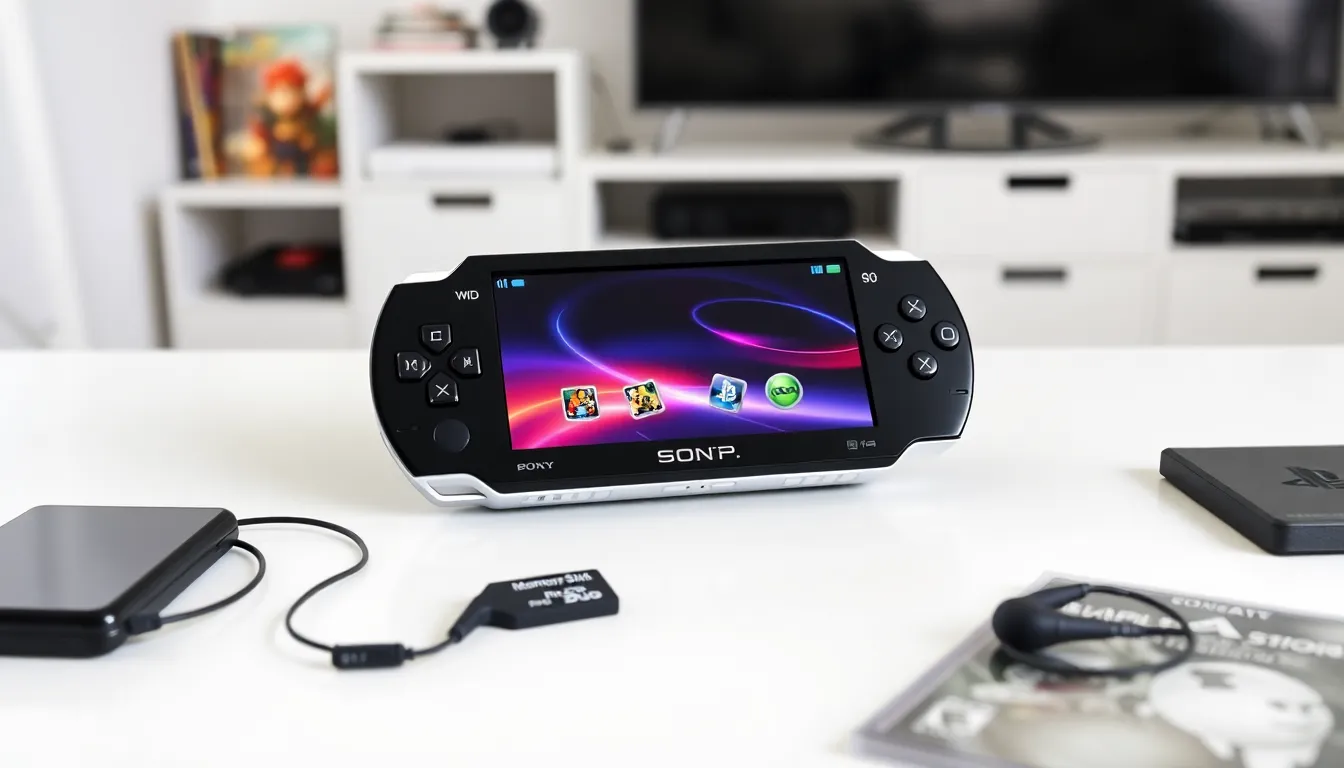
The PSP offered more than portable gaming. It played movies, music, and connected to the internet. Gamers could enjoy full 3D experiences on a vibrant 4.3-inch widescreen display. The console’s power rivaled the PlayStation 2, which seemed impossible for a handheld at the time.
This article explores the best PlayStation Portable examples across games, features, and accessories. These examples demonstrate why the PSP remains beloved by retro gaming enthusiasts today.
Table of Contents
ToggleKey Takeaways
- PlayStation Portable examples span best-selling games like Grand Theft Auto: Liberty City Stories, Monster Hunter Freedom Unite, and God of War: Chains of Olympus, which proved handheld gaming could rival home consoles.
- The PSP sold over 80 million units and offered console-quality 3D gaming on a 4.3-inch widescreen display with power comparable to the PlayStation 2.
- Exclusive titles like Crisis Core: Final Fantasy VII, Patapon, and Lumines gave the PSP a unique library identity unavailable on other platforms.
- Beyond gaming, PlayStation Portable examples of multimedia features included UMD movies, MP3 playback, internet browsing, and Remote Play streaming from PS3.
- Popular PSP accessories like the camera, GPS receiver, TV output cables, and extended batteries expanded the handheld’s functionality and versatility.
- The PSP pioneered digital game purchases through the PlayStation Store and paved the way for Sony’s future portable devices like the Vita and PlayStation Portal.
Best-Selling PSP Games That Showcased the Console’s Power
Several PlayStation Portable examples of gaming excellence topped sales charts during the console’s lifespan. These titles proved that handheld gaming could deliver experiences previously reserved for home consoles.
Grand Theft Auto: Liberty City Stories sold over 7.6 million copies worldwide. Rockstar Games compressed the open-world experience onto UMD format. Players explored Liberty City with the same freedom they enjoyed on PlayStation 2. The sequel, Vice City Stories, followed with similar success.
Monster Hunter Freedom Unite became a phenomenon in Japan. Capcom’s action RPG moved over 5 million units. The game featured hundreds of hours of content and cooperative multiplayer. Japanese train commuters hunted monsters together during their daily commutes.
Gran Turismo arrived on PSP after years of development. The racing simulator included over 800 cars and 35 tracks. Polyphony Digital created one of the most visually impressive PlayStation Portable examples ever released.
God of War: Chains of Olympus demonstrated what the PSP hardware could achieve. Ready at Dawn Studios delivered a prequel that matched the PS2 entries in quality. The game’s graphics pushed the handheld to its limits. Ghost of Sparta continued this tradition with even more impressive visuals.
These best-sellers showed developers and players what portable gaming could become. The PSP wasn’t just a companion device, it was a legitimate gaming platform.
Notable PSP Exclusive Titles
PlayStation Portable examples of exclusive content gave gamers reasons to own the handheld. Sony and third-party developers created experiences unavailable anywhere else.
Crisis Core: Final Fantasy VII told Zack Fair’s story before the events of the original game. Square Enix built this action RPG exclusively for PSP hardware. The game sold over 3 million copies and became a system seller in multiple regions.
Patapon combined rhythm gameplay with real-time strategy. Players commanded a tribe of eye-shaped warriors through drum beats. This quirky PlayStation Portable example won praise for its creativity and addictive mechanics. Two sequels followed the original’s success.
LocoRoco featured blob-like creatures rolling through colorful worlds. Sony’s Japan Studio created a family-friendly title with simple controls. Players tilted the environment rather than controlling characters directly. The art style and music made this PSP exclusive instantly recognizable.
Lumines launched alongside the PSP hardware in many regions. Tetsuya Mizuguchi’s puzzle game blended music and block-dropping mechanics. The electronic soundtrack synchronized with gameplay elements. Many consider Lumines one of the best puzzle games on any platform.
Daxter featured Jak’s ottsel companion in a solo adventure. Ready at Dawn developed this platformer between their God of War projects. The game earned strong reviews and proved the PSP could handle quality 3D platforming.
These exclusives built the PSP’s library identity. They gave the console personality beyond ports and adaptations.
Examples of PSP Multimedia Capabilities
PlayStation Portable examples extended far beyond gaming software. Sony designed the PSP as an entertainment hub for people on the move.
UMD Video allowed users to watch movies on physical discs. Studios released hundreds of films in this format. Spider-Man 2 shipped bundled with early PSP units. But, UMD Video struggled against digital alternatives and faded from the market by 2010.
Music playback supported MP3, AAC, and ATRAC formats. Users stored thousands of songs on Memory Stick Pro Duo cards. The PSP competed with dedicated MP3 players like the iPod during its early years.
Photo viewing turned the PSP into a portable gallery. The widescreen display showed images clearly. Users organized photos into folders and created slideshows. This feature made the device useful beyond entertainment.
Internet browsing connected the PSP to websites through WiFi. The built-in browser loaded web pages on the handheld screen. Users checked email, read news, and accessed forums. Performance limitations existed, but the functionality impressed consumers in 2005.
Remote Play linked the PSP to PlayStation 3. This feature allowed gamers to stream PS3 content to their handheld. Certain games supported full Remote Play functionality. Sony expanded this concept with the PlayStation Vita and eventually PlayStation Portal.
PlayStation Store access let users purchase games digitally. Sony built a digital marketplace years before competitors. The PSP Go model removed the UMD drive entirely and relied on downloads.
These multimedia PlayStation Portable examples showed Sony’s vision for convergent devices. The company wanted one gadget to handle multiple entertainment needs.
Popular PSP Accessories and Peripherals
PlayStation Portable examples of hardware expansion improved the gaming experience. Sony and third parties released numerous accessories for the handheld.
The PSP Camera attached to the top of the device. This 1.3-megapixel accessory enabled video chat and photography. Some games used the camera for augmented reality features. Invizimals required the camera to capture virtual creatures in real environments.
GPS receivers turned the PSP into a navigation device. The Go.Explore accessory provided turn-by-turn directions in supported regions. This PlayStation Portable example predated smartphone GPS becoming standard.
The PSP-2000 TV cable output gameplay to television screens. Players enjoyed their portable games on larger displays. Component cables delivered cleaner video than composite options.
Extended batteries increased play time significantly. Sony’s official battery pack doubled the standard capacity. Third-party options offered even larger increases. Long flights and road trips became easier with extra power.
Memory Stick Pro Duo cards expanded storage space. The PSP launched with 32MB cards, but capacity grew rapidly. 16GB and 32GB options eventually became affordable. Digital game collections required substantial storage.
Protective cases guarded the PSP’s screen and body. Sony released official cases in multiple colors. Third-party manufacturers offered rugged options for active users. The PSP’s large screen needed protection during transport.
Headphones with remote improved audio quality. The included earbuds worked adequately, but upgrades enhanced the experience. The remote allowed volume control and track skipping without touching the device.
These accessories demonstrated the PSP ecosystem’s depth. The console supported customization and expansion throughout its lifespan.