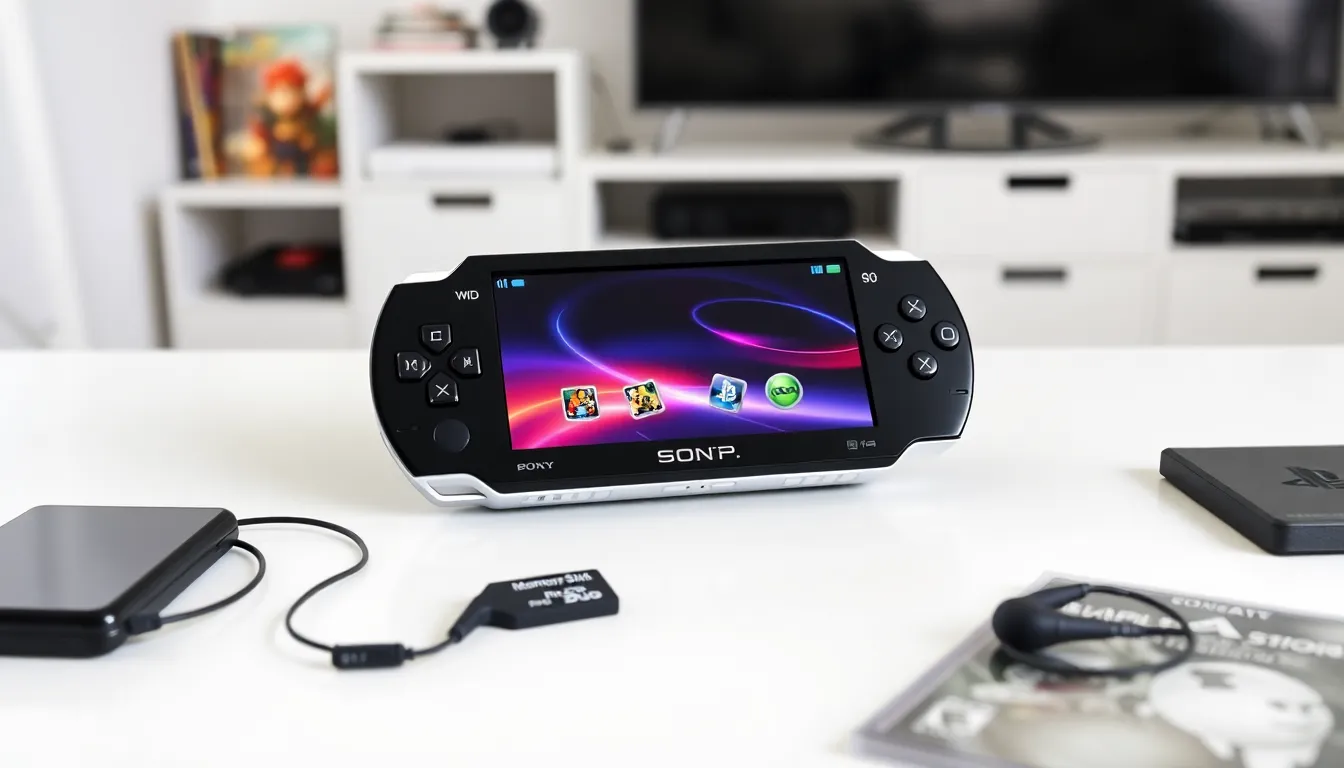
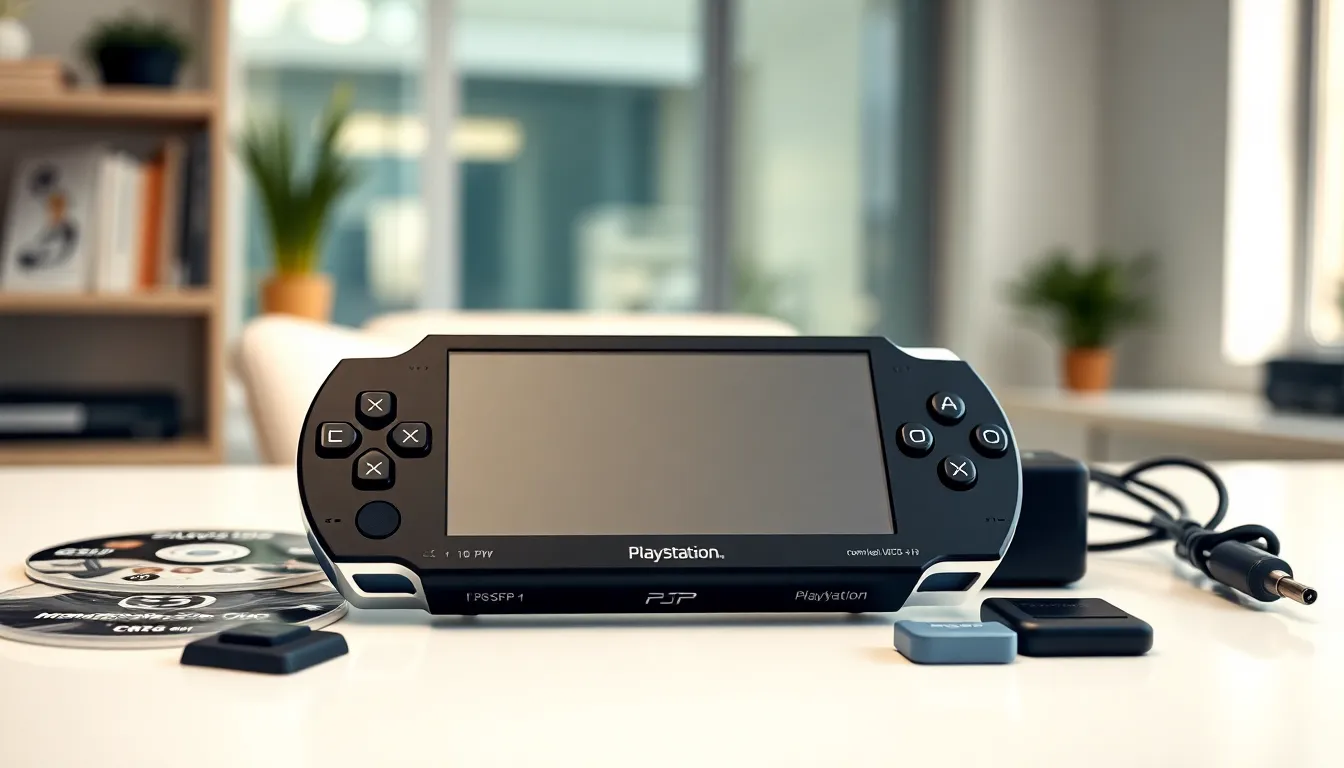
This PlayStation Portable guide covers everything collectors and gamers need to know about Sony’s groundbreaking handheld console. Released in 2004, the PSP changed portable gaming forever. It brought console-quality graphics, multimedia features, and a massive game library to players on the go. Whether someone wants to buy their first PSP or rediscover this classic device, this guide explains the models, features, games, and maintenance tips that matter most. The PSP remains a beloved system with an active community nearly two decades after launch.
Table of Contents
ToggleKey Takeaways
- The PSP-3000 is widely recommended as the best PlayStation Portable model due to its improved screen, built-in microphone, and overall availability.
- Sony sold over 80 million PSP units worldwide, making it a revolutionary handheld that combined console-quality gaming with multimedia features.
- When buying a PSP today, always check for dead pixels, button responsiveness, UMD drive function, and battery health to avoid common issues.
- The PSP game library includes over 800 titles, with must-play exclusives like Crisis Core: Final Fantasy VII, Monster Hunter Freedom Unite, and Persona 3 Portable.
- Replace original PSP batteries older than 10 years to prevent safety hazards, and use micro SD adapters for affordable expanded storage.
- Custom firmware unlocks additional PSP capabilities including homebrew software, UMD backups, and emulators for retro gaming.
What Made the PSP Revolutionary
The PlayStation Portable arrived at a time when handheld gaming meant simple graphics and limited capabilities. Sony changed that expectation completely.
The PSP delivered visuals that rivaled the PlayStation 2. Its 4.3-inch widescreen LCD display was massive compared to other portable devices of its era. Games like God of War: Chains of Olympus and Gran Turismo showed what this hardware could achieve. Players finally had a true console experience in their pockets.
Sony designed the PSP as more than a gaming device. It played movies on UMD discs, stored music and photos, and connected to the internet via Wi-Fi. This all-in-one approach was years ahead of smartphones becoming mainstream. The PSP essentially created the multimedia handheld category.
The device also introduced features like ad-hoc multiplayer and remote play with the PlayStation 3. These innovations influenced how companies think about portable gaming today. Nintendo’s dominant position in handhelds faced real competition for the first time since the Game Gear.
Sony sold over 80 million PSP units worldwide. That number proves how the PlayStation Portable resonated with gamers everywhere.
PSP Models and Their Key Differences
Sony released several PSP models throughout the system’s lifespan. Each version brought improvements while maintaining backward compatibility with games.
PSP-1000 (Original/Fat)
The original PSP launched in December 2004 in Japan and March 2005 in North America. It featured 32MB of RAM and weighed approximately 280 grams. This model has a solid build quality that many collectors still prefer. But, it suffers from ghosting issues on fast-moving images.
PSP-2000 (Slim)
Released in 2007, the PSP-2000 reduced weight by 33% and added 64MB of RAM. Sony improved the screen to reduce ghosting. This model introduced TV output capabilities and a slimmer profile that fit better in pockets.
PSP-3000 (Brite)
The PSP-3000 arrived in 2008 with a significantly improved screen. Colors appeared more vibrant, contrast ratios increased, and outdoor visibility improved dramatically. It added a built-in microphone for voice chat. Most PlayStation Portable guide recommendations point to this model as the best balance of features and availability.
PSP Go (N1000)
Sony took a different approach with the 2009 PSP Go. It eliminated the UMD drive entirely, relying on digital downloads. The sliding design protected the screen, and built-in storage increased to 16GB. But, it couldn’t play physical games, which limited its appeal.
PSP Street (E1000)
This budget model launched in 2011 for European markets only. Sony removed Wi-Fi and stereo speakers to cut costs. It’s the least desirable variant for most collectors.
Essential Features and Capabilities
The PSP packed impressive technology into its portable frame. Understanding these features helps users get the most from their device.
Display: The 480×272 resolution screen was exceptional for 2004. It still looks sharp today for native PSP content. The widescreen 16:9 aspect ratio matched movies and many games perfectly.
Storage: PSPs use Memory Stick Pro Duo cards for saves, downloads, and media. Adapters now allow micro SD cards to work in the slot, making storage cheap and plentiful.
Connectivity: Wi-Fi enabled online multiplayer, web browsing, and the PlayStation Store. Infrastructure mode connected to routers while ad-hoc mode linked PSPs directly for local play.
Media Playback: The system plays MP3s, MP4 videos, and displays photos. Users can convert almost any video format for playback. This made the PSP a genuine iPod competitor in its day.
UMD Drive: Universal Media Discs held up to 1.8GB of data. Games and movies came on these proprietary discs. The format failed commercially but created a unique collecting opportunity.
Battery Life: Original batteries provided 4-6 hours of gameplay. Third-party extended batteries can push this to 8+ hours. Battery replacement remains straightforward on most models.
This PlayStation Portable guide emphasizes that these features combined made the PSP more versatile than any competitor of its time.
Building Your PSP Game Library
The PSP library contains over 800 games across every genre. Building a collection today requires knowing where to look and what to prioritize.
Must-Play Exclusives:
- Crisis Core: Final Fantasy VII
- Monster Hunter Freedom Unite
- Persona 3 Portable
- Patapon series
- LocoRoco series
- Lumines
- Daxter
Strong Ports and Companions:
- Metal Gear Solid: Peace Walker
- Grand Theft Auto: Liberty City Stories
- Kingdom Hearts: Birth by Sleep
- Disgaea: Afternoon of Darkness
Prices for PSP games vary wildly. Common titles sell for $10-20, while rare RPGs can exceed $100. Physical UMD games remain the authentic way to play, though the PlayStation Store offered digital versions until its PSP section closed in 2021.
The Japanese library includes many games never released in English. Import-friendly titles like rhythm games don’t require language knowledge. Collectors often explore this expanded catalog.
Retro game stores, eBay, and local marketplaces offer physical copies. Always check disc condition since scratched UMDs can fail to read. The PlayStation Portable guide community recommends testing games before purchase when possible.
Digital preservation has kept many titles accessible through legal and gray-market means. Sony’s decision to close the PSP store frustrated many fans who preferred legitimate downloads.
Tips for Buying and Maintaining a PSP Today
Purchasing a PSP in 2025 requires attention to specific details. These tips help buyers avoid common problems.
What to Check Before Buying:
- Screen condition (dead pixels, scratches, pressure marks)
- Button responsiveness (especially the analog nub)
- UMD drive function (bring a game to test)
- Battery health (bloated batteries are dangerous)
- Charging port condition
Pricing Expectations:
Loose PSP-3000 units typically cost $80-120 in good condition. Complete-in-box examples command $150+. The PSP Go often sells for $100-150 due to its compact design and collector appeal. Avoid paying premium prices for PSP-1000 models unless specifically collecting that variant.
Maintenance Essentials:
Batteries degrade over time. Replace any original battery that’s over 10 years old. New third-party batteries cost $15-25 and install in seconds.
The analog nub wears out with use. Replacement nubs cost under $5 and require basic disassembly. Plenty of YouTube tutorials demonstrate this repair.
Screen protectors prevent future scratches. Cases protect against drops. These accessories cost little but preserve value significantly.
Firmware Considerations:
Custom firmware unlocks additional capabilities. It allows running homebrew software, backing up UMDs to the memory card, and using emulators for older systems. This PlayStation Portable guide notes that many PSP owners eventually explore these options.
Cleaning involves isopropyl alcohol and microfiber cloths. Avoid compressed air in the UMD slot since it can damage the laser assembly.