PlayStation Portable strategies can transform a casual gamer into a skilled PSP master. Sony’s iconic handheld console still commands a dedicated following, and players who understand its strengths gain a real advantage. This guide covers hardware optimization, game-specific tactics, battery management, and multiplayer techniques. Whether someone dusts off an old PSP or discovers the system for the first time, these strategies deliver practical results.
Table of Contents
ToggleKey Takeaways
- Mastering PlayStation Portable strategies involves optimizing hardware settings, including screen brightness and memory stick management, for the best gaming experience.
- Efficient leveling in PSP RPGs means grinding in areas with high-experience enemies near save points rather than mindless repetition.
- Reducing screen brightness and disabling wireless connectivity when not needed are the most effective ways to extend PSP battery life.
- Digital games consume less power than UMD discs, making them a smart choice for longer play sessions.
- Local ad-hoc multiplayer games like Monster Hunter Freedom Unite reward team coordination—assign roles like healer and damage dealer for better results.
- Active PSP communities on forums and Discord still connect players for multiplayer sessions and share valuable PlayStation Portable strategies.
Getting the Most Out of Your PSP Hardware
The PSP hardware offers more flexibility than many players realize. Understanding the system’s capabilities helps gamers extract peak performance from their device.
Screen Brightness Adjustments
The PSP screen brightness directly affects both visibility and battery drain. Players can access brightness settings by holding the display button. For indoor gaming, a lower brightness setting works well. Outdoor sessions may require maximum brightness, but gamers should expect shorter play sessions as a result.
Memory Stick Management
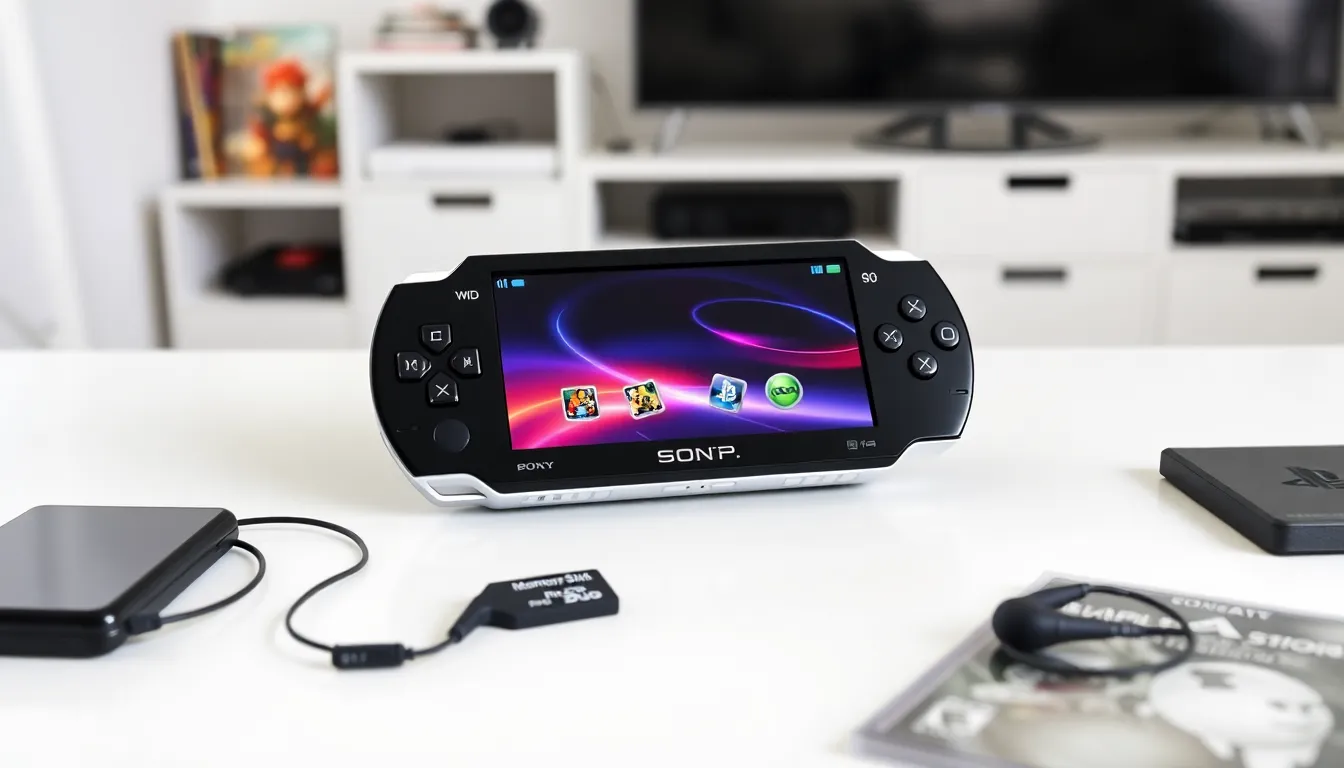
A quality Memory Stick Pro Duo makes a significant difference. Larger capacity sticks (4GB or higher) allow players to store game saves, downloaded content, and media files without constant juggling. Gamers should regularly back up save files to avoid losing progress. The PSP’s file management system lets users organize content into folders for quick access.
Custom Firmware Considerations
Many PSP owners explore custom firmware options. These modifications can unlock additional features like running homebrew applications. But, players should research thoroughly before making changes. Some modifications void warranties and create compatibility issues with certain games.
Physical Maintenance
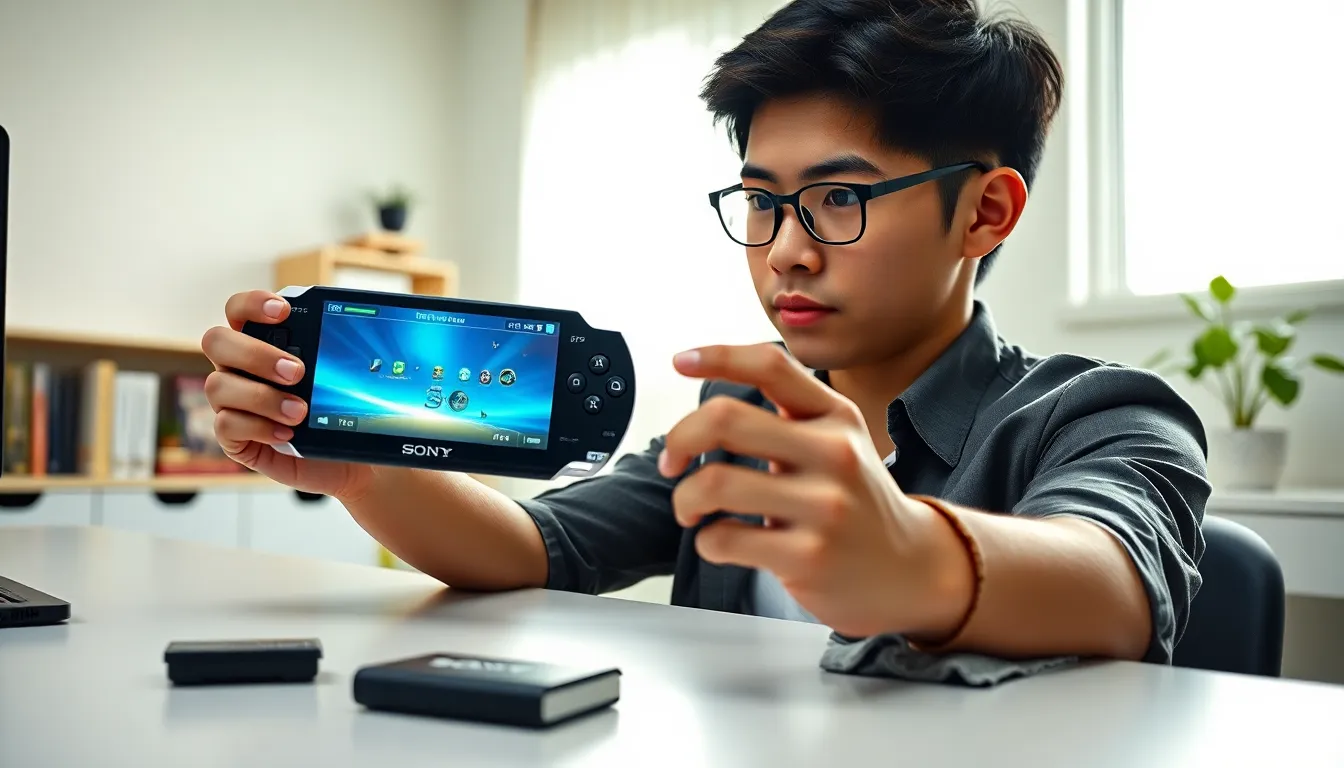
Clean analog sticks respond better than dirty ones. A soft cloth removes dust from the screen without scratching. The UMD drive benefits from occasional cleaning as well. Players who store their PSP in a case protect it from pocket lint and debris that can affect performance.
Top Gaming Strategies for Popular PSP Titles
Different game genres demand different PlayStation Portable strategies. The PSP library spans countless genres, and each category rewards specific approaches.
RPG and Adventure Game Tactics
RPGs dominate the PSP catalog. Games like Crisis Core: Final Fantasy VII and Persona 3 Portable require patience and planning.
Grinding Smart, Not Hard
Efficient leveling beats mindless grinding. Players should identify areas where enemies yield high experience relative to their difficulty. Save points near respawning enemies create ideal grinding loops. Many PSP RPGs include optional challenges that reward better gear than main story content.
Resource Management
Hoarding items until “the right moment” often backfires. Consumables exist to be used. Smart players keep a balanced inventory, enough healing items for emergencies, enough attack items for tough fights. Selling excess loot funds better equipment.
Side Quest Timing
Some side quests become unavailable after certain story points. Checking guides before major plot moments prevents missed opportunities. The best rewards often hide behind optional content.
Action and Fighting Game Techniques
Action games like God of War: Chains of Olympus and fighting games like Tekken: Dark Resurrection test reflexes and pattern recognition.
Learn Enemy Patterns
Every enemy telegraphs attacks. Observant players spot wind-up animations and dodge accordingly. Boss fights reward patience over button-mashing. Taking hits while learning patterns beats dying repeatedly from reckless aggression.
Combo Mastery
Fighting games favor players who practice combos until they become automatic. Training modes exist for a reason. Ten minutes of focused practice produces better results than hours of random matches.
Difficulty Settings
No shame exists in starting on easier difficulties. Players learn mechanics faster when they aren’t dying constantly. Once comfortable, they can increase the challenge.
Maximizing Battery Life and Performance
Battery management ranks among the most important PlayStation Portable strategies. The PSP’s battery life varies based on usage patterns.
Power-Saving Settings
The PSP includes built-in power-saving options. Reducing screen brightness extends play time significantly. Disabling wireless connectivity when not needed prevents unnecessary drain. The auto-sleep function conserves power during breaks.
Battery Health
Original PSP batteries degrade over time. Replacement batteries from reputable manufacturers restore full capacity. Third-party batteries vary in quality, reviews help identify reliable options. Storing batteries at partial charge (around 50%) extends their lifespan during long periods of non-use.
UMD vs. Digital Games
Digital games consume less power than UMD discs. The disc drive motor draws significant current. Players with access to digital versions of their games enjoy longer sessions. This represents one of the clearest PlayStation Portable strategies for extending play time.
CPU Clock Speed
Some games and homebrew applications allow CPU clock adjustments. Lower clock speeds reduce power consumption but may affect performance. Finding the right balance requires experimentation.
Multiplayer and Online Strategies
The PSP supports both local ad-hoc multiplayer and infrastructure mode for online play. Each mode offers unique opportunities.
Ad-Hoc Multiplayer Tips
Local multiplayer requires players within physical proximity. Games like Monster Hunter Freedom Unite shine in this mode. Coordinating with friends creates advantages, one player might focus on healing while another deals damage. Communication matters as much as individual skill.
Infrastructure Mode Setup
Online play requires wireless network configuration. The PSP connects to WPA networks, though some older units only support WEP. Players should check their router settings for compatibility. A strong, stable connection prevents frustrating disconnections mid-game.
Community and Competition
Active PSP communities still exist online. Forums and Discord servers connect players for multiplayer sessions. Competitive players study match recordings to improve. The best PlayStation Portable strategies often emerge from community discussions and shared discoveries.
Game-Specific Online Features
Some titles offered downloadable content and online leaderboards. While official servers for many games have closed, fan-run alternatives keep certain multiplayer experiences alive. Players should research which games maintain active online components.