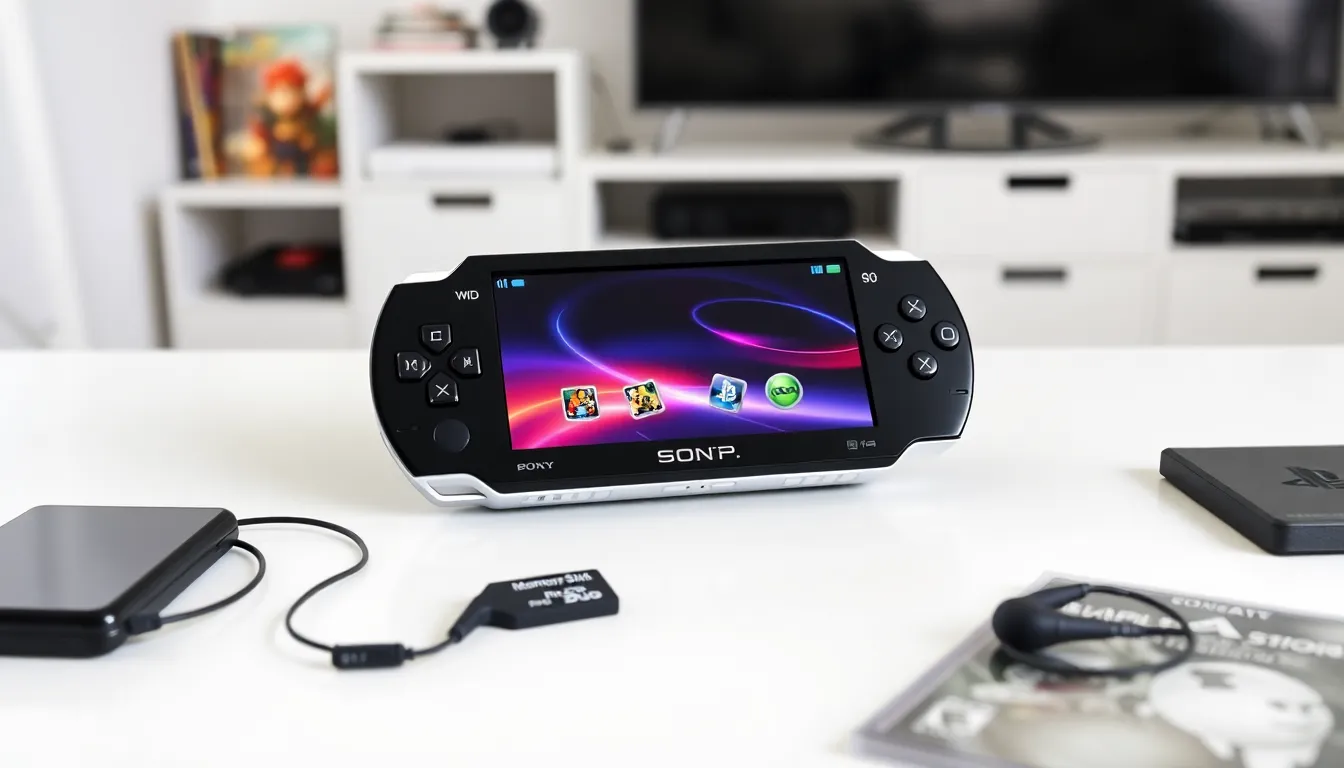
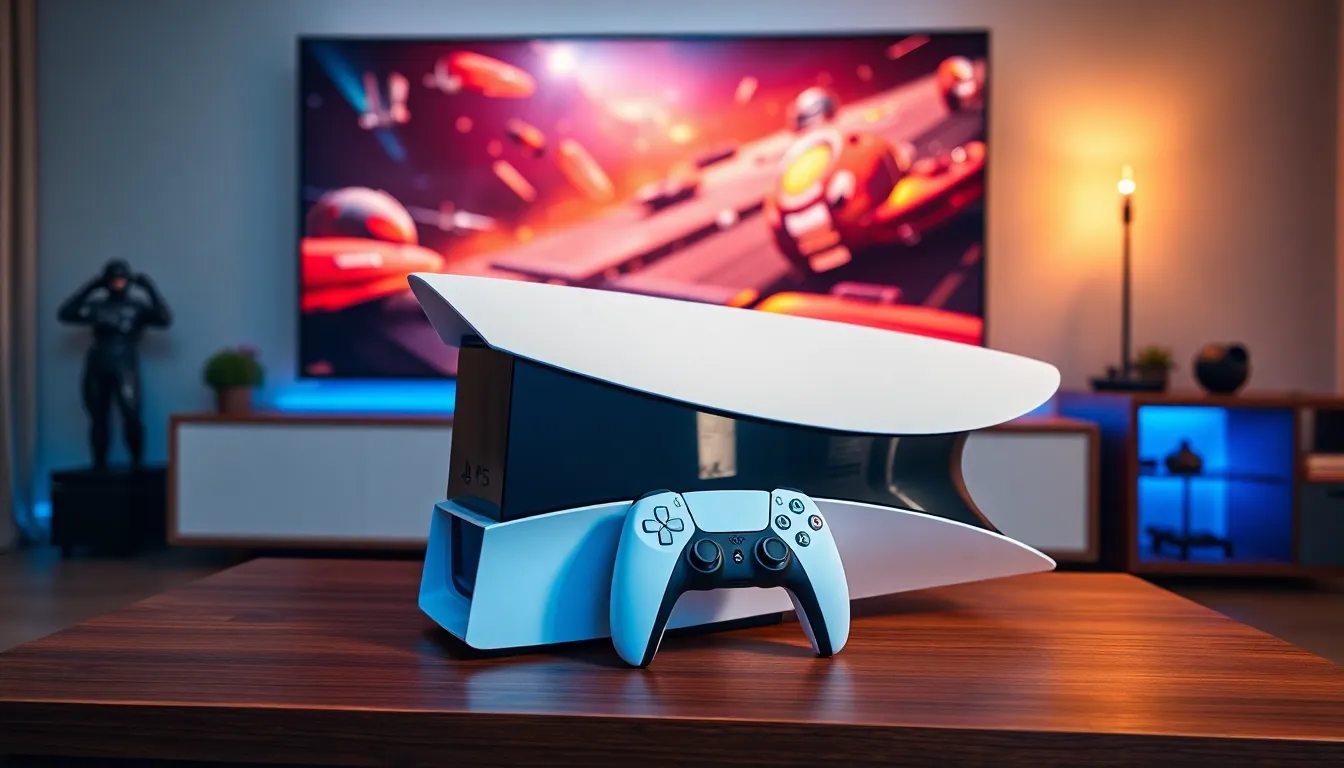
PlayStation is Sony’s flagship gaming brand and one of the most recognized names in the video game industry. Since its debut in 1994, PlayStation has sold over 500 million consoles worldwide and built a loyal community of gamers across generations. But what exactly is PlayStation, and why does it continue to dominate the gaming market?
This guide covers everything about PlayStation, from its origins and console history to its modern services and features. Whether someone is new to gaming or a longtime fan, this article explains what makes PlayStation a household name.
Table of Contents
ToggleKey Takeaways
- PlayStation is Sony’s flagship gaming brand, launched in 1994, with over 500 million consoles sold worldwide across five generations.
- The PlayStation 2 remains the best-selling video game console of all time with over 155 million units sold.
- PlayStation Plus offers three subscription tiers (Essential, Extra, Premium) providing online multiplayer, free games, and access to classic titles.
- Exclusive games like God of War, The Last of Us, and Spider-Man drive PlayStation’s appeal and set it apart from competitors.
- The PlayStation 5 features a custom SSD for near-instant load times, ray tracing, and the innovative DualSense controller with haptic feedback.
- PlayStation Network has over 100 million monthly active users, making it one of the largest gaming communities worldwide.
The History of PlayStation
Sony launched the original PlayStation in Japan on December 3, 1994. The console arrived in North America the following year. This launch marked Sony’s first major entry into the home video game market.
The PlayStation story actually began with a failed partnership. Sony and Nintendo had planned to create a CD-ROM add-on for the Super Nintendo. When that deal collapsed, Sony decided to build its own console instead. That decision changed gaming forever.
The original PlayStation used CD-ROMs instead of cartridges. This gave developers more storage space and lower production costs. Games like Final Fantasy VII, Metal Gear Solid, and Crash Bandicoot became defining titles for the platform.
By 1998, the PlayStation had sold over 50 million units. Sony had established itself as a serious competitor to Nintendo and Sega. The PlayStation brand quickly became synonymous with quality gaming experiences.
Ken Kutaragi, often called the “Father of PlayStation,” led the development of the console. His vision shaped the direction of Sony’s gaming division for decades. The success of the original PlayStation set the foundation for everything that followed.
PlayStation Console Generations
PlayStation has released five main console generations, each bringing significant improvements in graphics, performance, and features.
PlayStation (PS1)
The original PlayStation introduced 3D gaming to mainstream audiences. It featured a 32-bit processor and supported CDs that could hold up to 700MB of data. Sony sold over 102 million PS1 units worldwide.
PlayStation 2 (PS2)
Sony released the PlayStation 2 in 2000. It remains the best-selling video game console of all time with over 155 million units sold. The PS2 played DVDs, offered backward compatibility with PS1 games, and hosted classics like Grand Theft Auto: San Andreas and God of War.
PlayStation 3 (PS3)
The PlayStation 3 launched in 2006 with a Blu-ray drive and powerful Cell processor. It introduced the PlayStation Network for online gaming and digital downloads. Even though a rocky launch due to its high price, the PS3 eventually sold over 87 million units.
PlayStation 4 (PS4)
Sony released the PlayStation 4 in 2013. It focused on social features, streaming, and a gamer-first approach. The PS4 became extremely popular, selling over 117 million units. Exclusive titles like The Last of Us Part II, Spider-Man, and God of War (2018) drove its success.
PlayStation 5 (PS5)
The PlayStation 5 arrived in November 2020. It features a custom SSD for near-instant load times, ray tracing capabilities, and the innovative DualSense controller with haptic feedback. As of late 2024, Sony has sold over 60 million PS5 consoles. Games like Horizon Forbidden West and Spider-Man 2 showcase the platform’s power.
PlayStation Services and Features
PlayStation offers several services that extend beyond the consoles themselves. These services add value and keep players connected.
PlayStation Network (PSN)
PlayStation Network is Sony’s online gaming service. It lets users play games online, purchase digital titles, and connect with friends. PSN launched in 2006 and now has over 100 million monthly active users.
PlayStation Plus
PlayStation Plus is a paid subscription service. It provides online multiplayer access, free monthly games, and exclusive discounts. In 2022, Sony revamped PlayStation Plus into three tiers: Essential, Extra, and Premium. The Premium tier includes access to classic PlayStation games from older generations.
PlayStation Now (Merged into PS Plus)
PlayStation Now was a cloud gaming service that allowed users to stream games. Sony merged it into PlayStation Plus Premium in 2022, giving subscribers access to hundreds of games on demand.
PlayStation Store
The PlayStation Store is Sony’s digital marketplace. Users can purchase games, DLC, movies, and apps directly from their consoles. Digital sales now account for a significant portion of PlayStation’s revenue.
PlayStation VR
Sony entered the virtual reality market with PlayStation VR in 2016. The updated PlayStation VR2 launched in 2023 for PS5, offering improved visuals and new controllers. Games like Horizon Call of the Mountain demonstrate the potential of VR on PlayStation.
Why PlayStation Remains Popular Today
PlayStation maintains its position as a gaming leader for several reasons. The brand has built trust over three decades of consistent quality.
Exclusive games drive PlayStation’s appeal. Titles like God of War Ragnarök, The Last of Us, and Spider-Man 2 are only available on PlayStation consoles. These exclusives give players a reason to choose PlayStation over competitors.
Sony invests heavily in first-party studios. Companies like Naughty Dog, Insomniac Games, and Santa Monica Studio create some of the industry’s most acclaimed games. This studio system ensures a steady flow of high-quality content.
The DualSense controller has received praise for its innovative features. Haptic feedback and adaptive triggers create immersive gaming experiences that feel different from other platforms.
PlayStation also benefits from brand loyalty. Many gamers grew up with PlayStation consoles and continue to support the platform. This community spans multiple generations and creates a strong ecosystem.
The PlayStation 5’s technical capabilities keep it competitive. Fast load times, 4K gaming, and support for 120Hz displays appeal to players who want top-tier performance. Sony continues to update the console with new features through firmware updates.
PlayStation’s global reach also contributes to its success. Sony sells consoles in over 100 countries and supports multiple languages. This worldwide presence helps PlayStation remain a dominant force in gaming.