Choosing the right armor in Skyrim can make the difference between dominating a bandit camp and respawning at your last save. With dozens of armor sets scattered across Tamriel, each with unique stats, aesthetics, and acquisition methods, building an optimal loadout requires more than just equipping whatever has the highest numbers. Players need to understand armor rating caps, perk synergies, crafting mechanics, and how their gear choice shapes their entire build.
This guide breaks down everything about Skyrim armor sets, from the fundamental mechanics that govern damage reduction to specific locations for the best light and heavy armor pieces. Whether someone’s running a stealth archer who needs mobility or a tank build demanding maximum protection, the right armor combined with proper enchantments and perks transforms the Dragonborn into an unstoppable force. Let’s dig into the armor system and find the perfect fit.
Table of Contents
ToggleKey Takeaways
- Skyrim armor’s 567 damage reduction cap means investing in protection beyond this threshold wastes resources—focus on enchantments and utility instead.
- Light armor vs. heavy armor choice shapes your entire build: light armor enables stealth and stamina regeneration for archers and rogues, while heavy armor provides early-game protection and raw defense for tanks.
- Top-tier Skyrim armor sets like Dragonscale (light) and Daedric (heavy) require level 90+ Smithing and rare crafting materials, but mid-tier alternatives like Glass and Ebony are viable through Legendary difficulty with proper enchantments.
- Synergizing Smithing perks (Agile Defender, Juggernaut, Matching Set) with tempering and Fortify Smithing enchantments transforms armor rating by 50-100%, making the 567 cap achievable with less rare materials.
- Once armor rating hits 567, prioritize enchantments like Fortify Archery for archers, Fortify Health for tanks, or Fortify Magicka for mages over additional protection bonuses.
Understanding Armor Mechanics in Skyrim
Before hunting down legendary Daedric plates or enchanting Glass boots, players need to grasp how Skyrim’s armor system actually works. The game doesn’t explain these mechanics clearly, leading many to over-invest in armor rating or miss crucial synergies with perks.
How Armor Rating Works and the 567 Cap
Armor Rating directly reduces physical damage from attacks. Every point of displayed armor rating reduces incoming damage by 0.12%, but here’s the catch: the game caps damage reduction at 80%, which occurs at exactly 567 displayed armor rating. Any armor rating beyond that threshold provides zero additional protection.
This cap changes everything. A player wearing full Daedric armor (base rating around 144 with all pieces) who then tempers it and stacks Smithing perks can easily blow past 567, wasting materials and enchantment slots that could provide other benefits. The takeaway? Once armor rating hits 567, players should focus on other stats like magic resistance, stamina regeneration, or carry weight instead of pushing armor higher.
Hidden armor rating also exists. Certain perks like Well Fitted (Light Armor tree) or Conditioning (Heavy Armor tree) don’t show up in the displayed number but still count toward the cap. This makes reaching 567 easier than the character screen suggests.
Light Armor vs. Heavy Armor: Choosing Your Path
The choice between light and heavy armor in Skyrim isn’t just aesthetic, it fundamentally shapes character builds, perk investments, and playstyle.
Light Armor offers:
- Lower weight, allowing more loot capacity and faster stamina regeneration
- Perks that boost stamina regeneration (Wind Walker) and reduce stagger (Unhindered)
- Natural synergy with stealth builds due to reduced movement penalties
- Slightly lower base armor values, though this gap closes with perks and tempering
- The Deft Movement perk eliminates the armor rating penalty from wearing only light armor pieces
Heavy Armor provides:
- Higher base armor rating, reaching the 567 cap more easily with fewer enchantments
- Perks that reflect damage (Reflect Blows) and grant bonus unarmed damage (Fists of Steel)
- Better protection early-game when Smithing and Enchanting aren’t leveled
- Higher weight penalties, reducing carry capacity
- The Matching Set perk grants a 25% armor bonus when wearing a full set of heavy armor
Neither path is objectively superior. Stealth archers and dual-wielding rogues lean light, while two-handed warriors and tanks prefer heavy. Hybrid builds can mix both, though this dilutes perk efficiency since the best armor perks require specialization.
Best Light Armor Sets and Where to Find Them
Light armor in Skyrim balances protection with mobility, making it the go-to choice for agile builds. Here are the top-tier sets and where to acquire them.
Dragonscale Armor: The Ultimate Light Protection
Dragonscale Armor sits at the peak of light armor sets with a base armor rating of 111 (full set, untempered). It requires Smithing level 100 and the Dragon Armor perk to craft, making it a late-game reward for dedicated smiths.
Crafting Requirements (per piece):
- Dragon Scales (2-4 depending on piece)
- Leather Strips (2-3)
- Iron Ingots (for certain pieces)
Dragon scales drop from defeated dragons, both random encounters and scripted story dragons, making this armor farmable once dragons start spawning regularly. Players who invested in advanced combat strategies will find harvesting dragons manageable by mid-game.
Alternatively, Dragonscale armor pieces occasionally appear in merchant inventories or as loot after level 46, though finding a complete set this way takes patience and gold.
Glass Armor and Other Top-Tier Light Sets
Glass Armor ranks just below Dragonscale with a base armor rating of 106 (full set, untempered). Its distinctive green crystalline appearance makes it one of Skyrim’s most recognizable armors.
Crafting Requirements:
- Smithing level 70
- Glass Smithing perk
- Malachite Ingots and Refined Moonstone
Malachite ore spawns in several mines across Skyrim, with Steamscorch Mine near Kynesgrove offering the most accessible source. Players can also purchase Malachite ingots from blacksmiths or find Glass armor pieces in leveled loot starting around level 36.
Other notable light armor sets include:
- Elven Armor (base rating ~92): Mid-tier option requiring Smithing 30, commonly found on Thalmor soldiers
- Scaled Armor (base rating ~83): Slightly better than Elven, craftable at Smithing 50 using Corundum and Steel
- Chitin Armor (Dragonborn DLC): Comparable to Scaled, with a unique insectoid aesthetic
Many players familiar with core game mechanics can reach Glass or Dragonscale armor by level 40-50 with focused Smithing leveling.
Unique Light Armor Pieces Worth Collecting
Several unique light armor pieces offer enchantments or stats unavailable through crafting:
- Ancient Shrouded Armor (Dark Brotherhood): Base armor 72, comes with Fortify Poison Resistance 100% built-in. Obtained through the Dark Brotherhood “Locate the Assassin of Old” quest. The full Ancient Shrouded set provides excellent bonuses for stealth builds.
- Guild Master’s Armor (Thieves Guild): Base armor 58, grants Fortify Carry Weight +50 and Fortify Lockpicking +35. Awarded after completing the entire Thieves Guild questline and restoring the guild to glory.
- Nightingale Armor (Thieves Guild): Leveled armor (improves with player level when acquired) with unique enchantments including stamina boosts and illusion cost reduction. Obtained during “Trinity Restored” quest.
- Linwe’s Armor (Summerset Shadows): Base armor 57, provides stamina regeneration and one-handed damage bonuses. Looted from Linwe’s corpse in Uttering Hills Cave during “Summerset Shadows” quest.
These unique pieces often serve specific build niches better than generic crafted armor, even if raw armor rating falls short.
Best Heavy Armor Sets and Where to Find Them
Heavy armor provides maximum protection and intimidation factor. These sets require more carry weight management but offer unmatched defense for frontline fighters.
Daedric Armor: Maximum Defense and Intimidation
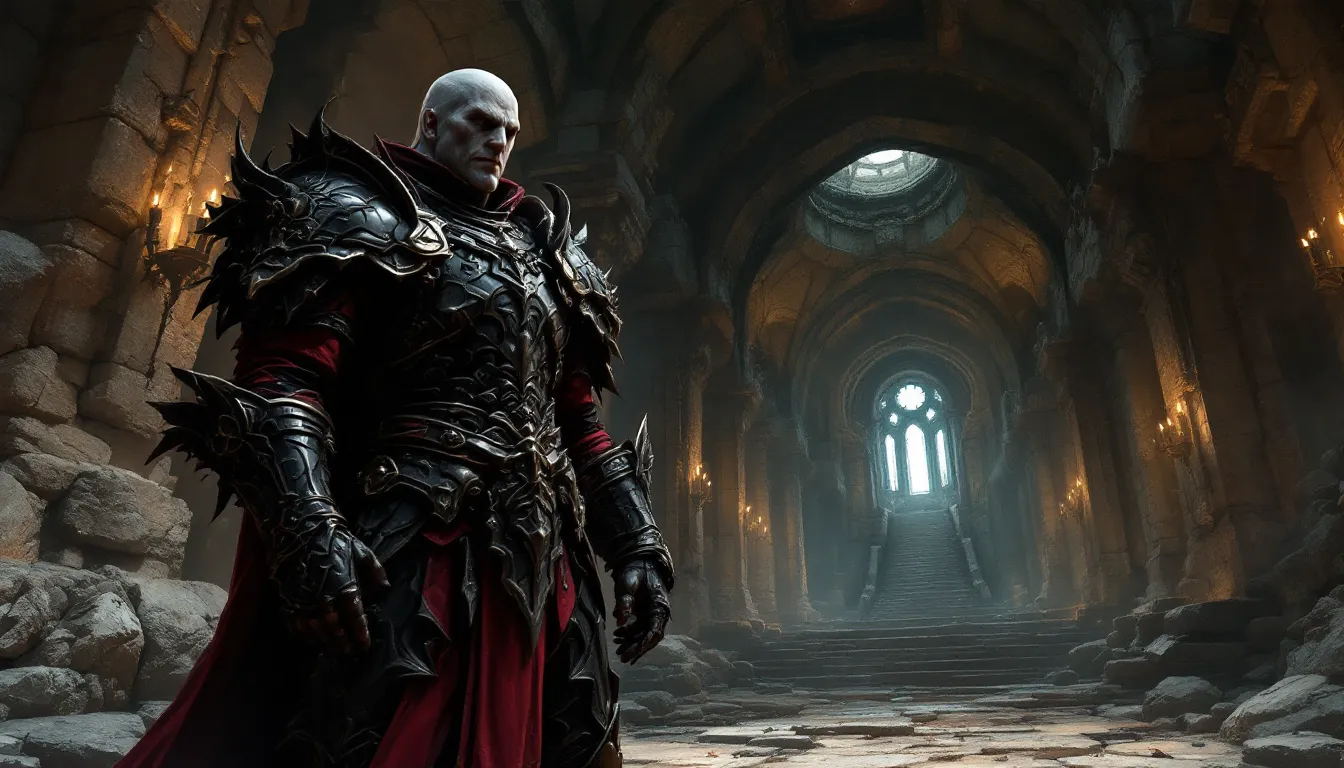
Daedric Armor represents the absolute peak of heavy armor protection with a base armor rating of 144 (full set, untempered). Its demonic aesthetic and blood-red accents make it instantly recognizable.
Crafting Requirements:
- Smithing level 90
- Daedric Smithing perk
- Ebony Ingots and Daedra Hearts
Daedra Hearts are the limiting factor, they’re rare drops from Dremora and certain Daedra, or purchased from alchemists. Enthir at the College of Winterhold reliably stocks 2 Daedra Hearts with restocking inventory. The Black Star quest and Mehrunes’ Dagon shrine questline also provide Daedra Heart sources.
Players can find Daedric armor pieces as loot starting at level 48+, though the drop rates remain low. Legendary Dragons (Dragonborn DLC, level 78+) frequently carry Daedric equipment. Resources on modding communities show dozens of texture overhauls for Daedric armor, though the vanilla design remains iconic.
Dragonplate, Ebony, and Other Elite Heavy Sets
Dragonplate Armor technically ties with Daedric at 144 base armor rating, making them functionally identical for protection. The main difference is aesthetic preference and material availability.
Dragonplate Crafting:
- Smithing level 100
- Dragon Armor perk
- Dragon Bones and Scales
Dragon bones are heavier than Daedra Hearts to collect but more reliably farmable through dragon encounters. Players who prefer grinding dragons over hunting Daedra Hearts often choose Dragonplate.
Ebony Armor sits just below at 128 base armor rating but becomes available earlier:
- Smithing level 80
- Ebony Smithing perk
- Ebony Ingots
Ebony ore spawns in Gloombound Mine and Redbelly Mine, making materials more accessible than Daedric. Ebony armor also appears in leveled loot starting around level 32, giving heavy armor builds solid protection before reaching endgame smithing levels.
Other heavy armor options:
- Orcish Armor (base rating ~82): Mid-game option requiring Smithing 50, commonly found in Orc Strongholds
- Dwarven Armor (base rating ~78): Abundant materials from Dwemer ruins, craftable at Smithing 30
- Steel Plate Armor (base rating ~81): Aesthetic alternative to Dwarven with similar stats
For players exploring optimal build strategies, the jump from Ebony to Daedric/Dragonplate provides minimal practical benefit once armor rating hits the 567 cap, enchantments and perks matter more at that point.
Unique Heavy Armor Pieces Worth Collecting
Several unique heavy armor pieces provide enchantments that can’t be replicated through standard crafting:
- Ebony Mail (Daedric Artifact): Base armor 45 (cuirass only), grants Muffle effect and poison damage aura to nearby enemies. Obtained by completing Boethiah’s Calling quest. Cannot be disenchanted or improved.
- Spellbreaker (Daedric Artifact – Shield): Base armor 38, provides a unique ward effect that blocks up to 50 points of spell damage. Reward from “The Only Cure” quest.
- Aetherial Shield (Dawnguard): Base armor 26, but grants Ethereal effect (become invulnerable briefly) with bash attacks. Crafted at the Aetherial Forge.
- Helm of Yngol: Base armor 23, grants frost resistance. Found in Yngol Barrow, more of a display piece than practical gear.
- Steel Horned Helmet: No unique enchantment but +25 carry weight, found on Civil War soldiers.
The Ebony Mail deserves special mention for stealth-tank hybrid builds, the built-in Muffle effect synergizes surprisingly well with sneaky heavy armor users.
Crafting, Improving, and Enchanting Your Armor
Raw armor sets are just the starting point. Proper crafting, tempering, and enchantments transform decent armor into godlike protection.
Smithing Perks and Materials You Need
The Smithing skill tree divides into two main branches: heavy armor (left side) and light armor (right side), with shared perks down the center.
Essential Smithing Perks:
- Steel Smithing (Smithing 20): Required for most basic improvements
- Arcane Blacksmith (Smithing 60): Allows improving enchanted items, absolutely critical
- Elven Smithing (Smithing 30): Opens light armor path
- Advanced Armors (Smithing 50): Required for Glass and Scaled armor
- Dragon Smithing (Smithing 100): Required for Dragonscale/Dragonplate
- Daedric Smithing (Smithing 90): Required for Daedric equipment
Material farming locations:
- Iron Ore: Halted Stream Camp (dozens of veins), Embershard Mine
- Corundum Ore: Knifepoint Ridge, Darkwater Crossing
- Ebony Ore: Gloombound Mine (Orc Stronghold), Redbelly Mine
- Orichalcum Ore: Dushnikh Yal (Orc Stronghold), Bilegulch Mine
- Malachite Ore: Steamscorch Mine, Kynesgrove area
Smithing levels fastest through crafting Iron Daggers or Dwarven Bows (if Dwemer materials are abundant). Each item crafted grants XP based on item value. Players employing efficient leveling methods can reach Smithing 100 within 5-10 hours of focused grinding.
Maximizing Armor Rating Through Tempering
Tempering improves armor rating at a Workbench (for armor) or Grindstone (for weapons). The improvement amount scales with Smithing skill level and relevant perks.
Tempering quality tiers:
- Fine
- Superior
- Exquisite
- Flawless
- Epic
- Legendary
Legendary quality (+100% improvement from base) requires Smithing 100 plus Fortify Smithing enchantments on gear and/or Fortify Smithing potions.
Optimal tempering setup:
- Equip four pieces with Fortify Smithing enchantment (helmet, gloves, chest, necklace)
- Consume a Fortify Smithing potion (craft using Blisterwort + Glowing Mushroom + Sabre Cat Tooth)
- Use a Blacksmith’s Elixir if available (50% stronger than basic potion)
With maxed Smithing, all relevant perks, and a full Fortify Smithing setup, players can push armor pieces to Legendary quality, increasing armor rating by roughly 10-20 points per piece. This makes reaching the 567 armor cap significantly easier.
One often-overlooked detail: tempering enchanted items requires the Arcane Blacksmith perk. Without it, enchanted armor can’t be improved at all.
Best Enchantments for Armor Optimization
Once armor rating hits 567, every enchantment slot should go toward utility or offense rather than additional protection.
Top-tier armor enchantments:
- Fortify Health (helmet, chest): Flat HP increase, scales with character level
- Fortify Stamina (boots, chest): Essential for power attack builds and sprinting
- Fortify Magicka (helmet, chest): Crucial for mage and spellsword builds
- Fortify Stamina Regen (boots): Speeds up stamina recovery between power attacks
- Resist Magic (shield, chest): Caps at 85%, combine with racial bonuses or The Lord Stone
- Fortify Carry Weight (boots, chest): Quality-of-life for loot hoarders
- Fortify [Weapon Skill] (gloves, necklace, ring): Direct damage increase for primary weapon
- Fortify Archery (helmet, gloves, necklace, ring): Stacks multiplicatively, stealth archer’s bread and butter
- Muffle (boots): 100% noise reduction when maxed, makes any armor viable for stealth
Enchantment sources:
Players need to disenchant items to learn enchantments. Key farming locations:
- Muffle: Rare enchantment, occasionally on boots in general stores or as random loot
- Fortify Archery: Circlets, helmets, and gloves from most leveled loot
- Resist Magic: Shields and robes from court wizards
Readers interested in comprehensive build optimization will find enchanting synergizes heavily with alchemy and smithing, the infamous “crafting loop” that can break game balance entirely.
Essential Armor Perks and Skill Trees
Perks transform armor from passive protection into active build components. Investing in the wrong perks wastes valuable perk points that could strengthen offense or utility.
Must-Have Light Armor Perks
The Light Armor skill tree focuses on mobility, stamina efficiency, and dodge-based defense.
Priority perks (in order):
-
Agile Defender (all 5 ranks, Light Armor 20-100): Increases armor rating by 20-100%, scaling with rank. This is the foundation, without it, light armor can’t reach the 567 cap reliably.
-
Custom Fit (Light Armor 30): Grants +25% armor bonus when wearing a matching light armor set (all pieces from the same material type). Essential for maximizing armor rating efficiency.
-
Unhindered (Light Armor 50): Worn light armor doesn’t slow movement or reduce sprinting speed. Quality-of-life perk for kiting and repositioning during combat.
-
Wind Walker (Light Armor 60): Stamina regenerates 50% faster when wearing all light armor. Crucial for dual-wielders and archers who spam power attacks or steady shot.
-
Matching Set (Light Armor 70): Additional 25% armor bonus when wearing matching light armor. Stacks with Custom Fit. Between these two perks, players gain +50% armor rating, making the 567 cap achievable with Glass or Dragonscale.
-
Deft Movement (Light Armor 100): +10% movement speed in light armor. Situational but valuable for stealth and kiting builds.
Skippable perks:
- Deft Movement: Only 10% movement speed isn’t game-changing unless running a pure stealth archer who needs every edge.
Light armor perks synergize beautifully with Sneak, Archery, and One-Handed skill trees, creating versatile builds that excel at damage avoidance rather than face-tanking.
Must-Have Heavy Armor Perks
The Heavy Armor skill tree emphasizes raw protection, damage reflection, and sustained melee combat.
Priority perks (in order):
-
Juggernaut (all 5 ranks, Heavy Armor 20-100): Increases armor rating by 20-100%. Non-negotiable foundation for any heavy armor build.
-
Fists of Steel (Heavy Armor 30): Gauntlets add their armor rating to unarmed damage. Niche perk unless running a Khajiit brawler build, but surprisingly fun.
-
Cushioned (Heavy Armor 50): Half damage from falling. Situational but prevents embarrassing deaths from bad platforming or giant swings launching characters skyward.
-
Conditioning (Heavy Armor 70): Worn heavy armor weighs nothing. This is massive for carry weight management. Heavy armor sets weigh 60-80 pounds total, Conditioning frees up inventory space for loot and crafting materials.
-
Matching Set (Heavy Armor 70): +25% armor bonus when wearing matching heavy armor. Combined with Juggernaut rank 5, players hit the 567 cap easily even with mid-tier armor like Ebony.
-
Reflect Blows (Heavy Armor 100): 10% chance to reflect melee damage back to attacker. Underwhelming percentage but occasionally useful in prolonged melee slugfests.
Skippable perks:
- Tower of Strength: 50% less stagger in heavy armor. Most characters won’t notice the difference, and blocking or dodging handles stagger better.
- Reflect Blows: 10% proc chance feels inconsistent. Only grab it if swimming in perk points late-game.
Heavy armor pairs naturally with Block, Two-Handed, or One-Handed and Block builds, creating unstoppable tanks that wade through enemy groups.
Optimal Armor Builds for Different Playstyles
The best Skyrim armor setup depends entirely on build archetype. Here’s how to optimize armor choices for popular playstyles.
Stealth Archer and Assassin Builds
Stealth archers dominate Skyrim’s meta and have since launch. The build trivializes most combat through ranged sneak attacks dealing 3x damage (6x with Dark Brotherhood gloves).
Optimal armor setup:
- Armor type: Light armor (Dragonscale or Glass)
- Key enchantments: Fortify Archery on helmet, gloves, necklace, ring (4 pieces stacking multiplicatively)
- Secondary enchantments: Muffle on boots, Fortify Sneak on remaining slots
Recommended gear pieces:
- Nightingale Armor set: Provides built-in Fortify Sneak, stamina regen, and illusion cost reduction. Scales with player level when obtained (best at level 32+).
- Ancient Shrouded Gloves (Dark Brotherhood): Double sneak attack damage with bows, this is absurdly powerful and stacks with perks.
- Krosis (Dragon Priest mask): Fortify Archery, Lockpicking, and Alchemy. Found at Shearpoint.
Perk priorities:
- Light Armor: Agile Defender (all ranks), Custom Fit, Matching Set
- Sneak: All stealth damage multipliers, Muffled Movement
- Archery: Overdraw (all ranks), Critical Shot, Ranger, Steady Hand
Players interested in assassin-specific tactics often swap bows for daggers in close quarters, using the same light armor setup with Fortify One-Handed enchantments instead.
Tank and Two-Handed Warrior Builds
Tank builds facetank damage through maximum armor rating and HP pools, wading into combat and dominating through sustained melee.
Optimal armor setup:
- Armor type: Heavy armor (Daedric or Dragonplate)
- Key enchantments: Fortify Health on all possible slots (helmet, chest, ring, necklace)
- Secondary enchantments: Fortify Two-Handed on gloves/ring, Resist Magic on shield/chest
Recommended gear pieces:
- Ebony Mail: Built-in poison aura damages nearby enemies and provides Muffle (useful for stealth-tank hybrids)
- Spellbreaker (Daedric shield): Ward effect blocks 50 magic damage per hit, essential against mages and dragons
- Konahrik (Dragon Priest mask): Chance to heal and summon a Dragon Priest ally when low HP
Perk priorities:
- Heavy Armor: Juggernaut (all ranks), Conditioning, Matching Set, Cushioned
- Block: Shield Wall (all ranks), Deflect Arrows, Elemental Protection
- Two-Handed: Barbarian (all ranks), Champion’s Stance, Devastating Blow
Tanks rely less on damage avoidance and more on outlasting opponents through raw HP and armor rating. Reaching 567 armor rating is non-negotiable, every point below that threshold leaves damage on the table.
Mage and Spellsword Hybrid Builds
Mage builds face a unique challenge: armor interferes with spell casting. Robes provide no armor rating, while heavy armor increases spell costs unless perks compensate.
Pure mage armor setup:
- Armor type: Enchanted robes + circlet + enchanted jewelry (no physical armor)
- Key enchantments: Fortify Magicka Regen on all pieces, Fortify [School] cost reduction
- Secondary enchantments: Fortify Magicka for larger spell reserves
Spellsword hybrid setup:
- Armor type: Light armor (doesn’t penalize spell costs)
- Key enchantments: Mix of Fortify Magicka, Fortify [School] cost reduction, and Fortify [Weapon Skill]
- Secondary enchantments: Fortify Magicka Regen, Fortify Health
Recommended gear pieces:
- Archmage’s Robes: +100% Magicka Regen, All spells cost 15% less. Best-in-slot for pure mages, obtained after completing College of Winterhold questline.
- Morokei (Dragon Priest mask): +100% Magicka Regen. Found in Labyrinthian during College questline.
- Savos Aren’s Amulet: +50 Magicka. Awarded during College questline.
Perk priorities:
- Destruction, Conjuration, Restoration, or Illusion: Cost reduction perks, magnitude increases
- Light Armor: Agile Defender (2-3 ranks), Custom Fit if wearing matched light armor set
- Alteration: Mage Armor perks (provide up to 300 armor rating when wearing no physical armor)
Mages using Mage Armor perks from the Alteration tree can achieve decent protection with zero physical armor equipped, though this requires maintaining an Alteration spell and investing 3 perk points. Spellswords get more flexibility by wearing light armor without spell penalties.
Armor Exploits and Advanced Tips
Skyrim’s crafting systems contain several exploits and optimization techniques that push armor far beyond intended limits.
Fortify Restoration Loop for God-Tier Armor
The Fortify Restoration loop (also called the “Restoration glitch”) allows players to create enchantments and potions of virtually unlimited power. This breaks game balance entirely but remains unpatched even in the Anniversary Edition.
How it works:
- Craft or acquire Fortify Restoration potions (ingredients: Abecean Longfin + Salt Pile, or Cyrodilic Spadetail + Salt Pile)
- Equip gear with Fortify Alchemy enchantments (helmet, gloves, necklace, ring)
- Drink a Fortify Restoration potion
- Unequip and re-equip all Fortify Alchemy gear (the Restoration potion temporarily boosts their enchantment values)
- Craft a new, stronger Fortify Restoration potion
- Repeat steps 3-5 until potion values reach desired absurdity (hundreds or thousands of percent)
- Use the supercharged alchemy gear to craft Fortify Enchanting potions
- Drink Fortify Enchanting potion and enchant gear with outrageous values (e.g., Fortify Smithing +1000%)
- Use that gear to temper armor to millions of armor rating
This exploit trivializes all combat and removes challenge. Many players avoid it intentionally to preserve game balance, but speedrunners and completionists use it liberally.
Patched or not? As of 2026, Bethesda has never patched this glitch across any Skyrim version, including Special Edition and Anniversary Edition. Unofficial patches can remove it, but vanilla game retains the exploit.
Leveling Armor Skills Quickly
Both Light Armor and Heavy Armor skills level based on taking physical damage while wearing the respective armor type. More damage taken = faster leveling, but this creates a risk/reward tension.
Fastest leveling methods:
Method 1: Mudcrab/Wolf grinding
- Find weak enemies (mudcrabs work best due to low damage output)
- Wear the armor type you want to level
- Let the enemy attack while healing periodically
- Each hit taken grants XP proportional to damage absorbed by armor rating
- Mudcrabs near Riften or Solitude work well: wolves and slaughterfish are alternatives
Method 2: Giant exploit
- Aggro a giant near a safe position (e.g., on a rock they can’t reach)
- Wear armor to level, cast healing spell or use potions
- Giants deal massive damage, granting substantial armor XP per hit
- High risk but extremely fast, can reach level 50+ in under an hour
Method 3: Bandit camp training
- Aggro bandits but don’t fight back
- Tank damage while healing
- More realistic and immersive than mudcrab grinding
- Works well combined with Block skill leveling
Tips for efficient leveling:
- Lower armor rating = more damage taken = faster XP (counterintuitive but true)
- Remove tempered or enchanted armor pieces to take more damage per hit
- Use Equilibrium spell (Destruction spell that converts health to magicka) to repeatedly lower HP, then heal, this doesn’t level armor but pairs well with grinding sessions
- Combine armor leveling with Restoration leveling by healing constantly
Players seeking optimal skill progression can hit level 100 in either armor skill within 2-3 hours using giant exploit, though this requires constant attention and healing resources.
Conclusion
Mastering Skyrim’s armor system transforms the Dragonborn from a wandering adventurer into an unstoppable force. Whether someone’s aiming for the 567 armor cap through perfectly tempered Daedric plate or building a nimble stealth archer in enchanted Dragonscale, understanding the mechanics behind armor rating, perks, and enchantments separates competent players from true veterans.
The key takeaways: hit the 567 cap efficiently without over-investing, match armor type to build archetype, and stack the right enchantments once raw protection is handled. Light armor offers mobility and stamina efficiency for agile builds, while heavy armor provides maximum protection for frontline warriors. Neither path is superior, only better suited to specific playstyles.
With proper crafting, tempering, and enchanting techniques, even mid-tier armor sets like Glass or Ebony can carry players through Legendary difficulty. The real power comes from synergy between gear, perks, and player skill, not just equipping the highest armor rating available. Now get out there and build something unstoppable.