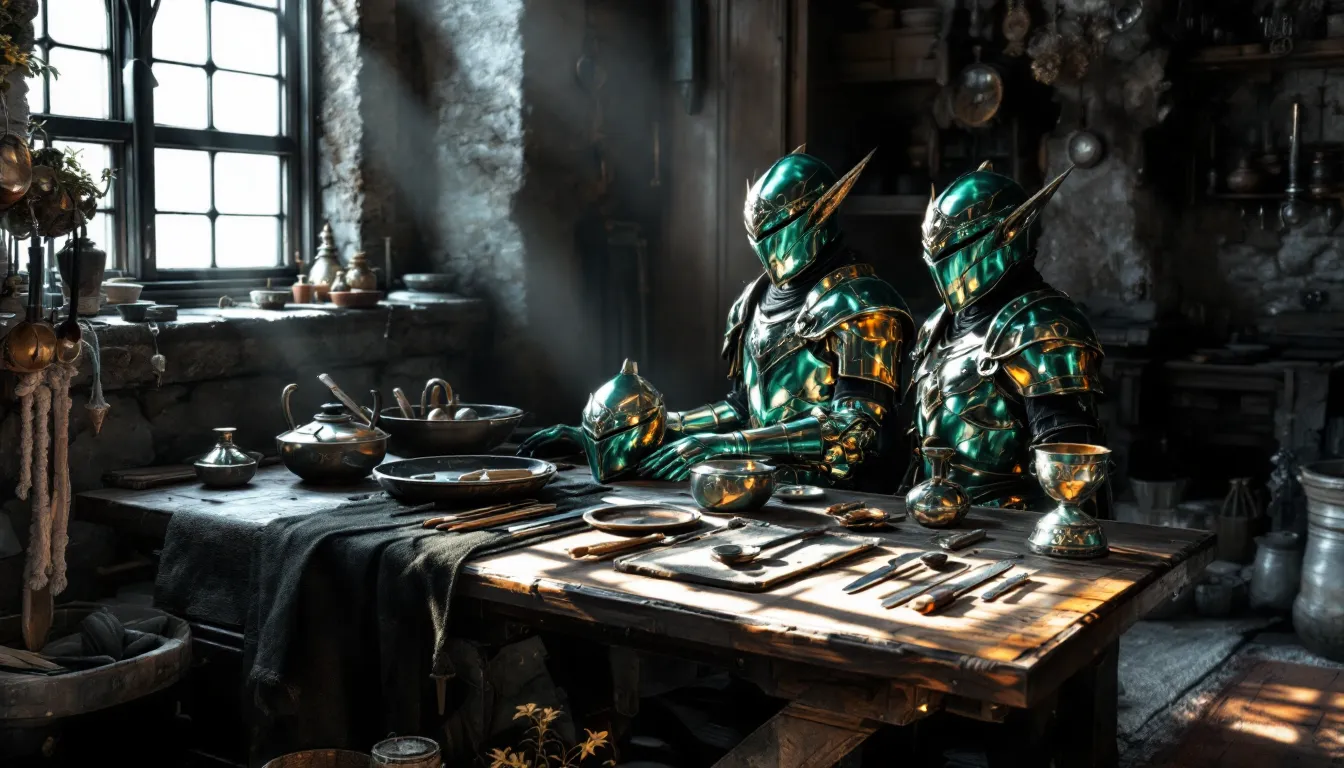
Elven Armor sits in that sweet spot where aesthetics meet functionality. It’s not the first light armor set players encounter in Skyrim, but it’s often the first that makes them reconsider their entire build. The golden-green shimmer, the sleek design, and the respectable defense rating make it a favorite for archers, thieves, and spellswords who refuse to sacrifice style for survival.
But getting your hands on a full set isn’t as simple as looting the first bandit camp. Whether someone’s looking to craft it from scratch, hunt down specific spawn locations, or optimize it with the right enchantments and upgrades, understanding the mechanics behind Elven Armor separates efficient players from those still wearing mismatched pieces at level 30. This guide covers everything from base stats and crafting requirements to advanced build strategies and efficient material farming routes.
Table of Contents
ToggleKey Takeaways
- Skyrim elven armor provides 63 base armor rating without a shield and serves as the mid-tier light armor set that bridges early-game and endgame progression between levels 12-18.
- Crafting elven armor requires Smithing level 30, the Elven Smithing perk, and key materials including 10 leather strips, 10 refined malachite, and 5 quicksilver ingots for a full set with shield.
- Elven armor excels for stealth archers, assassins, and spellswords due to its light weight (22 pounds), mobility advantages, and compatibility with sneak and evasion playstyles.
- Upgrade elven armor to Legendary quality at Smithing 100 to reach approximately 190 armor rating, nearly triple the base value, when combined with Arcane Blacksmith perk and Fortify Smithing potions.
- Enchant elven armor pieces strategically based on your build—archers prioritize Fortify Archery, thieves stack Muffle and Fortify Sneak, and spellswords focus on Fortify Magicka and magicka regeneration.
- Efficient material farming routes like the Malachite + Quicksilver Loop between Steamscorch Mine and Dawnstar yield enough resources for multiple full elven armor sets in a single trip with respawns every 30 in-game days.
What Is Elven Armor in Skyrim?
Elven Armor represents the mid-tier pinnacle of light armor in Skyrim’s progression system. It bridges the gap between early-game sets like Hide or Leather and endgame options like Glass or Dragonscale. Players typically encounter it around level 12-18, though the exact spawn level varies depending on the specific piece and whether it’s enchanted.
The set consists of six pieces: Elven Helmet, Elven Armor (cuirass), Elven Gauntlets, Elven Boots, Elven Shield, and Elven Gilded Armor (an aesthetic variant of the cuirass). Unlike heavy armor sets that slow movement and create noise, Elven Armor maintains the mobility and stealth advantages that define light armor builds.
Visually, it’s unmistakable. The golden sheen combined with green accents gives it an ancient, almost ethereal quality that stands out in Skyrim’s often gritty, Nordic aesthetic. For players who care about fashion as much as function, it’s a significant upgrade from the rough-hewn appearance of early-game gear.
Base Stats and Attributes
At base quality (no improvements), a full set of Elven Armor provides 63 armor rating without the shield, or 96 with the shield. Here’s the breakdown for each piece:
- Elven Helmet: 13 armor rating, 3 weight
- Elven Armor (Cuirass): 28 armor rating, 7 weight
- Elven Gauntlets: 11 armor rating, 3 weight
- Elven Boots: 11 armor rating, 3 weight
- Elven Shield: 33 armor rating, 6 weight
The total weight for the full set (including shield) comes to 22 pounds, light enough for stamina-conscious builds but heavier than lower-tier options. The armor rating puts it solidly in the middle of light armor progression, offering meaningful protection without the perk investment required to maximize Dragonscale or make Glass truly shine.
Elven Armor benefits from all light armor perks, including Agile Defender, Custom Fit, and Matching Set. With the full Light Armor skill tree and appropriate Smithing improvements, the armor rating can exceed 500, enough to hit the armor cap even without enchantments.
Elven Armor vs. Other Light Armor Sets
Comparing Elven Armor to its neighbors in the progression curve reveals where it excels and where it falls short:
Elven vs. Scaled Armor: Scaled Armor appears around the same level range and offers comparable base stats (54 armor rating without shield). Elven edges it out slightly in defense and significantly in appearance, though Scaled is easier to find in bulk from certain enemy types like Forsworn.
Elven vs. Glass Armor: Glass represents the next major tier, requiring level 36+ to consistently spawn. Glass provides 84 base armor rating without a shield, a 33% increase over Elven. But, Glass requires significantly more Smithing investment (Smithing 70 and the Glass Smithing perk) and rarer materials. Elven serves as the practical choice for mid-game content.
Elven vs. Dragonscale: Dragonscale is the light armor endgame. At 111 base armor rating (no shield), it outclasses Elven by a wide margin. But it requires Smithing 100, Dragon Smithing perk, and dragon scales that aren’t farmable until dragons appear. Elven remains the go-to until players commit to endgame smithing.
For players who prioritize stamina management and mobility, Elven hits harder than its weight class suggests. The real competition isn’t raw armor rating, it’s whether players want to invest in crafting it early or wait for higher-tier sets to spawn naturally.
How to Obtain Elven Armor
Elven Armor becomes available through multiple channels once players hit the appropriate level thresholds. Unlike some sets that require specific questlines, Elven Armor integrates into Skyrim’s standard loot tables and merchant inventories.
Finding Elven Armor in the World
Elven Armor pieces spawn in fixed locations and as leveled loot starting around level 12 for unenchanted pieces and level 19 for enchanted variants. A few reliable world spawns include:
- Northwatch Keep: During or after the “Missing in Action” quest, Elven equipment can appear in weapon racks and containers within the fortress.
- Labyrinthian: This massive dungeon complex contains multiple locked chests with leveled loot. Players at the appropriate level often find Elven pieces here.
- Liar’s Retreat: A Falmer-infested cave northwest of Broken Tower Redoubt. The final room contains a chest that frequently spawns mid-tier armor.
- Champion’s Rest: A small unmarked location in the Velothi Mountains. Contains a skeleton wearing leveled light armor, which can be Elven if the player is high enough level.
These locations aren’t guaranteed spawns, Skyrim’s leveled list system means arriving too early yields lower-tier gear, while arriving significantly later might result in Glass or other superior items replacing Elven entirely.
Looting from Enemies and Chests
Certain enemy types preferentially spawn with Elven equipment:
- Thalmor Soldiers: Thalmor troops, particularly Justiciars and higher-ranking soldiers, frequently wear Elven Armor. Encounters occur during the main quest, Civil War questline, and random world events. The Thalmor Embassy during “Diplomatic Immunity” offers multiple opportunities if players are willing to fight through additional enemies.
- Bandit Chiefs: High-level bandit leaders (level 20+) can spawn wearing Elven Armor. Their equipment is randomized, but revisiting cleared bandit camps after they respawn (typically 30 in-game days) can yield Elven pieces.
- Random Boss Chests: Any “boss chest” at the end of a dungeon can contain Elven Armor if the player is within the level range. This includes Nordic ruins, Dwemer ruins, and Forsworn camps.
Looting is RNG-dependent, making it the least reliable method for completing a full set. Players hunting specific pieces should combine looting with other acquisition methods.
Purchasing from Merchants
Once players reach the appropriate level, several merchants stock Elven Armor:
- Adrianne Avenicci (Whiterun): General goods and weapons, but also light armor as leveled inventory.
- Ghorza gra-Bagol (Markarth): Blacksmith specializing in armor. Inventory refreshes every 48 hours.
- Eorlund Gray-Mane (Whiterun, Skyforge): Premium merchant with higher-quality gear, though his inventory skews toward Nordic and Steel.
- Revyn Sadri (Windhelm): General goods merchant with occasional armor pieces.
- The Drunken Huntsman (Whiterun): Primarily weapons, but light armor appears in leveled inventory.
Prices vary, but expect to pay 1,500-3,000 gold for a full unenchanted set depending on Speech skill and merchant disposition. Enchanted pieces cost significantly more. The advantage of purchasing is consistency, merchants restock, eliminating RNG frustration.
Crafting Elven Armor: Requirements and Process
Crafting offers the most reliable path to a complete Elven Armor set, especially for players who’ve invested in Smithing early. It also allows immediate access to the armor regardless of character level, bypassing the spawn thresholds that gate world loot.
Smithing Level and Perk Requirements
Elven Armor requires Smithing level 30 and the Elven Smithing perk. The perk sits on the light armor branch of the Smithing tree, meaning players must also unlock Steel Smithing as a prerequisite (Smithing 20).
Reaching Smithing 30 isn’t particularly grindy if approached efficiently. Crafting Iron Daggers was patched years ago to provide minimal experience, but alternatives exist:
- Dwarven Bows: Require only Dwarven Metal Ingots and Iron Ingots. Dwemer ruins provide massive quantities of scrap metal (bent scrap metal, large decorative struts, etc.) that smelt into Dwarven Ingots.
- Leather Bracers: Cheap and readily available. Hunting animals for pelts or purchasing leather from general goods merchants makes this sustainable.
- Jewelry: Transmute (Alteration spell found in Halted Stream Camp) converts Iron Ore to Silver to Gold. Crafting gold rings provides solid experience and profit when sold.
Players focusing on Skyrim Techniques: Essential Strategies often power-level Smithing by combining Dwarven Bow spam with the Warrior Stone and well-rested bonuses, reaching level 30 in a single session.
Materials Needed for Each Armor Piece
Each Elven Armor piece requires specific materials. Here’s the complete breakdown:
- Elven Helmet: 1 Leather Strip, 1 Refined Malachite, 1 Quicksilver Ingot
- Elven Armor (Cuirass): 4 Leather Strips, 4 Refined Malachite, 1 Quicksilver Ingot
- Elven Gauntlets: 2 Leather Strips, 2 Refined Malachite, 1 Quicksilver Ingot
- Elven Boots: 2 Leather Strips, 2 Refined Malachite, 1 Quicksilver Ingot
- Elven Shield: 1 Leather Strip, 1 Refined Malachite, 1 Quicksilver Ingot
- Elven Gilded Armor: 4 Leather Strips, 4 Refined Malachite, 1 Quicksilver Ingot (identical to standard cuirass, aesthetic difference only)
Total for full set (excluding shield): 9 Leather Strips, 9 Refined Malachite, 4 Quicksilver Ingots
Total with shield: 10 Leather Strips, 10 Refined Malachite, 5 Quicksilver Ingots
Leather Strips are trivial, any piece of leather or hide converts to strips at a tanning rack. The bottleneck is Refined Malachite and Quicksilver Ingots.
Where to Find Refined Malachite and Quicksilver Ingots
Refined Malachite doesn’t spawn as raw ore: players must either find pre-refined malachite or mine and smelt Malachite Ore. Key locations include:
- Steamscorch Mine (Kynesgrove): Contains 9 Malachite Ore veins. Respawns every 30 in-game days.
- Malachite Ore locations: Additional veins appear in Dushnikh Yal (Orc stronghold), Sunderstone Gorge, and random wilderness spawns in the Rift.
- Pre-refined Malachite: General goods merchants, alchemy shops, and blacksmiths sell Refined Malachite, though stock is limited.
Quicksilver Ingots come from smelting Quicksilver Ore, found in:
- Quicksilver Mine (Dawnstar): Owned by the miners in Dawnstar. Contains 9 Quicksilver Ore veins.
- Sanuarach Mine (Karthwasten): 7 Quicksilver Ore veins. Players can access it freely even though being privately owned.
- Broken Helm Hollow: A cave northwest of Riften containing multiple Quicksilver Ore veins.
Players can also purchase ore or ingots directly from blacksmiths, though this gets expensive. A more efficient route involves clearing Steamscorch and Quicksilver Mine in a single trip (they’re relatively close geographically), smelting the ore in Kynesgrove or Dawnstar, then crafting the full set. Many RPG character builds emphasize efficient material farming as a core progression strategy.
Upgrading and Improving Elven Armor
Crafting or acquiring Elven Armor is step one. Maximizing its effectiveness requires upgrades and enchantments that push the armor rating toward the cap and complement specific playstyles.
Using Workbenches for Enhancement
Elven Armor upgrades at any workbench using Refined Malachite. Each improvement level requires one Refined Malachite per piece, meaning a full set (including shield) needs 5 Refined Malachite per upgrade tier.
Upgrade tiers progress as follows:
- Fine
- Superior
- Exquisite
- Flawless
- Epic
- Legendary (requires Smithing 100)
Each tier increases armor rating by a percentage based on current Smithing skill. At Smithing 100 with all relevant perks (Elven Smithing, Arcane Blacksmith), a full Legendary Elven Armor set reaches approximately 190 armor rating without enchantments, nearly triple its base value.
Key perks that amplify improvements:
- Arcane Blacksmith (Smithing 60): Allows improvement of enchanted items. Essential if players enchant before upgrading.
- Smithing skill level: Each point in Smithing increases improvement effectiveness. The difference between Smithing 30 and Smithing 100 is dramatic.
- Fortify Smithing enchantments and potions: Wearing Fortify Smithing gear and drinking Fortify Smithing potions before upgrading can push armor rating significantly higher. A 40% Fortify Smithing potion combined with 100% Fortify Smithing enchantments (gauntlets, ring, necklace, armor) results in +180% improvement effectiveness.
The optimal upgrade path: level Smithing to 100, craft Fortify Smithing gear (requires Enchanting investment), brew Fortify Smithing potions (Alchemy), then upgrade all pieces to Legendary in a single session. This “crafting loop” is a staple of endgame optimization.
Best Enchantments for Elven Armor
Enchanting transforms Elven Armor from serviceable to dominant. The four enchantable armor pieces (helmet, cuirass, gauntlets, boots) should align with the player’s build:
For Archers:
- Helmet: Fortify Archery (increases bow damage by up to 40% per piece)
- Cuirass: Fortify Health or Fortify Light Armor (increases armor rating)
- Gauntlets: Fortify Archery (stacks with helmet)
- Boots: Fortify Stamina or Muffle (silent movement for stealth)
For Thieves/Assassins:
- Helmet: Fortify Archery or Waterbreathing (utility for underwater infiltration)
- Cuirass: Fortify Sneak (harder to detect)
- Gauntlets: Fortify Lockpicking or Fortify One-Handed (dual-dagger builds)
- Boots: Muffle (eliminates movement sound, stacks toward 100% silence)
For Spellswords/Battlemages:
- Helmet: Fortify Magicka or Fortify Destruction/Conjuration
- Cuirass: Fortify Magicka Regen or Fortify Health
- Gauntlets: Fortify Magicka or Fortify One-Handed
- Boots: Fortify Stamina or Resist Shock/Fire/Frost
Double enchantments (unlocked with the Extra Effect perk at Enchanting 100) allow two effects per piece, exponentially increasing build potency. A full set with double enchantments provides eight total effects, enough to cap multiple offensive and defensive stats simultaneously.
For enchantment sources, disenchant found items or purchase from court wizards. Fortify Archery appears on circlets and gauntlets found in leveled loot. Muffle is rarer, but the Muffle spell (Illusion) can be purchased from vendors and repeatedly cast to level Illusion while hunting for enchanted boots to disenchant.
Elven Armor Build Strategies
Elven Armor’s stat distribution and aesthetic make it ideal for specific builds. Understanding which playstyles benefit most helps players decide whether to invest in crafting and upgrading it or skip straight to Glass or Dragonscale.
Optimal Character Builds and Playstyles
Stealth Archer: The most common Skyrim build, and Elven Armor fits it perfectly. The moderate armor rating protects against detection-breaking hits, while the light weight preserves stamina for sprinting between cover. Combined with Muffle enchantments and maxed Sneak, players become nearly invisible. Elven Armor’s aesthetic also suits roleplaying as a Bosmer (Wood Elf) ranger or Thalmor defector.
Dual-Wield Assassin: Similar to stealth archers but focused on melee. Elven Armor provides enough defense for close-quarters combat without the stamina drain of heavy armor. Fortify One-Handed and Fortify Sneak enchantments turn Elven-clad assassins into lethal shadows. The Armor Rating, combined with the Wind Walker perk (Light Armor 60, stamina regen bonus), supports aggressive hit-and-fade tactics.
Spellsword: Light armor casters benefit from Elven Armor’s balance between protection and mobility. Unlike robes, Elven Armor provides meaningful physical defense. Unlike heavy armor, it doesn’t bottleneck magicka regen or movement speed. Enchanting the set with Fortify Destruction and Fortify Magicka Regen creates a battle-mage capable of frontline combat.
Thief/Illusionist: Builds centered on Illusion magic (Invisibility, Calm, Frenzy) and theft benefit from Elven Armor’s stealth compatibility. Fortify Illusion enchantments reduce spell costs, while Muffle ensures silent movement during heists. The aesthetic also aligns with high-society thieves infiltrating noble estates.
Elven Armor struggles in pure tank builds. Heavy armor inherently scales better for facetanking, and the armor cap is easier to reach with heavy sets. Players prioritizing survivability over mobility should stick with heavy armor or skip to Dragonscale if they’re committed to light armor.
Pairing Elven Armor with Weapons and Skills
Weapon choice amplifies Elven Armor’s strengths:
Bows: Elven Bow (available at the same Smithing tier) pairs thematically and mechanically. Base damage of 15 makes it competitive until players craft Daedric or Dragonbone bows. Enchant with Absorb Health or Fiery Soul Trap for bonus utility.
Dual Daggers: Highest sneak attack multiplier in the game (x15 with Dark Brotherhood gloves). Elven Daggers weigh only 2 pounds each and deal 9 base damage, sufficient for one-shotting most enemies from stealth. Consider pairing with Mehrunes’ Razor (unique dagger with instant-kill chance) in the off-hand.
One-Handed Swords + Spells: Elven Swords (13 base damage) in the main hand, Destruction or Illusion spells in the off-hand. This setup benefits from Fortify One-Handed and Fortify Destruction enchantments distributed across armor pieces. Alternatively, equip a ward spell for magic defense.
Crossbows (Dawnguard DLC): Enhanced Crossbows ignore 50% of armor and stagger targets. Pair with Elven Armor for a vampire hunter aesthetic or heavy-hitting stealth build.
Key skills to level alongside Elven Armor:
- Light Armor (obviously): Prioritize Agile Defender, Custom Fit, Matching Set, and Unhindered (removes stamina regen penalty for Light Armor).
- Sneak: Muffled Movement, Backstab (x6 sneak attack with daggers), and Silence (50% harder to detect) are essential.
- Archery: Overdraw (damage scaling), Eagle Eye (zoom), Steady Hand (slow time while aiming), and Critical Shot (critical hit chance).
- Smithing & Enchanting: For upgrade optimization discussed earlier.
Many dedicated Skyrim tier lists rank Elven Armor as A-tier for mid-game and B-tier for endgame, reflecting its strong performance before Glass/Dragonscale become accessible.
Elven Gilded Armor: What Makes It Different?
Elven Gilded Armor is functionally identical to standard Elven Armor (cuirass). Same stats, same weight, same upgrade requirements. The only difference is cosmetic, Gilded Armor features more prominent gold trim and slightly altered detailing.
In gameplay terms, there’s zero mechanical reason to choose Gilded over standard or vice versa. The distinction exists purely for player preference and roleplaying. Some players prefer the Gilded version’s flashier appearance, especially when roleplaying as Thalmor agents or high-ranking elven nobility. Others find the standard version more subdued and practical-looking.
Gilded Armor spawns under the same conditions as standard Elven Armor and can be crafted at the same Smithing level using identical materials. When looting or purchasing, the variant received is random. Some Thalmor soldiers wear Gilded, others wear standard, there’s no pattern.
For completionists, both versions exist separately in the inventory. Players can collect both and display them in home mannequins without conflict. Neither version is rarer or more valuable, so collectors don’t need to prioritize one over the other.
Appearance Customization and Aesthetic Appeal
Beyond the Gilded variant, Elven Armor’s aesthetic customization revolves around modding on PC. The vanilla appearance is fixed, but community modding platforms host hundreds of retextures, remodels, and standalone variants.
Popular mod categories include:
- Retextures: Higher-resolution textures, alternate color schemes (black, red, silver), or weathered/battle-worn appearances.
- Remodels: Redesigned armor geometry, such as more ornate helmets, slimmer profiles, or lore-friendly tweaks.
- Standalone Sets: “Elven-inspired” armor that occupies separate inventory slots, allowing players to wear custom variants alongside vanilla gear.
- Skimpy/Revealing Versions: Common in the Skyrim modding scene, though not universally popular.
On console (PS4, PS5, Xbox One, Xbox Series X/S), modding support is more limited. PlayStation platforms have the strictest restrictions, often preventing external assets. Xbox allows broader mod support, including many retextures and remodels available on Nexus Mods’ Bethesda.net ports.
For vanilla players or those avoiding mods, the aesthetic choice boils down to Gilded vs. standard. Both look distinct from other light armor sets, maintaining the elegant, ancient aesthetic Elven gear is known for. Paired with an Elven Bow and matching weapons, the full kit creates one of Skyrim’s most visually cohesive loadouts.
Tips and Tricks for Maximizing Elven Armor
Getting the most out of Elven Armor requires more than crafting and enchanting. These advanced techniques squeeze additional value from the set, whether for early acquisition, efficient farming, or endgame optimization.
Leveling Smithing Quickly to Unlock Elven Armor
Reaching Smithing 30 efficiently unlocks Elven Armor crafting long before it spawns naturally. Here’s the fastest route:
Step 1: Transmute Spam (Levels 15-30)
Acquire the Transmute spell from Halted Stream Camp (north of Whiterun). Buy or mine Iron Ore, transmute it to Gold Ore, smelt into Gold Ingots, and craft gold rings. This method provides excellent Smithing XP and profit when rings are sold to merchants.
Step 2: Dwarven Bow Method (Levels 30+)
Once Dwarven Smithing unlocks (level 30), raid any Dwemer ruin (Nchuand-Zel in Markarth is accessible early). Collect bent scrap metal, large/small dwemer struts, and solid dwemer metal. Smelt into Dwarven Ingots (scrap yields 3 ingots per smelt). Each Dwarven Bow requires 2 Dwarven Ingots and 1 Iron Ingot, cheap for the XP gained.
Step 3: Boost with Warrior Stone + Well-Rested
Activate the Warrior Stone (20% faster skill leveling for combat skills, including Smithing) and sleep in an owned bed for the Well-Rested bonus (+10% XP). These stack for 30% faster Smithing leveling.
Step 4: Kolskeggr Mine Loop
If focusing on jewelry, clear Kolskeggr Mine (south of Markarth) for 17 Gold Ore veins, the richest gold source in Skyrim. Respawns every 30 days, making it farmable for long-term Smithing progression.
Using Transmute + Warrior Stone + Well-Rested, players can reach Smithing 30 in under 2 hours of real-time gameplay. This unlocks Elven Armor crafting well before level 12, allowing full set access regardless of character level.
Efficient Material Farming Routes
For players crafting multiple Elven Armor sets (to improve Smithing further, equip followers, or sell for profit), efficient material routes save hours:
Malachite + Quicksilver Loop:
- Start at Steamscorch Mine (Kynesgrove): Mine 9 Malachite Ore veins.
- Travel to Dawnstar (northwest): Clear Quicksilver Mine for 9 Quicksilver Ore veins.
- Smelt in Dawnstar: Smelter available near the mine entrance.
- Craft at Dawnstar Forge: Complete sets without additional fast travel.
- Optional: Hit Sanuarach Mine (Karthwasten, southeast of Dawnstar): Additional 7 Quicksilver Ore if needed.
This route yields enough materials for 3+ full Elven Armor sets in a single trip. Mark the calendar for respawn timers (30 in-game days) to re-farm.
Leather Strip Bulk Acquisition:
Leather Strips are needed in large quantities (10 per set). Options:
- Hunt Elk/Deer: Each kill yields 1 Hide, which converts to 4 Leather Strips at a tanning rack. Elk spawn near Sleeping Tree Camp and along roads in the Rift.
- Purchase from General Goods Merchants: Belethor (Whiterun), Lucan (Riverwood), and Birna (Winterhold) restock leather every 48 hours.
- Loot from Bandits: Bandit camps often contain Hide Armor, which can be converted to leather at a tanning rack.
Fortify Smithing Potion Farming:
To maximize upgrade effectiveness, stock Fortify Smithing potions. The easiest recipe combines Blisterwort + Glowing Mushroom (both common in Dwemer ruins and caves). Alternatively, Sabre Cat Tooth + Spriggan Sap yields potent versions but requires more hunting.
Players invested in Alchemy should aim for 40%+ Fortify Smithing potions. Combined with Fortify Smithing enchantments, this pushes Legendary upgrades into absurd territory, Elven Armor can reach 300+ armor rating with optimized buffs, rivaling base Daedric Armor.
Fast-Travel Optimization:
When farming materials across Skyrim, carriage fast travel (50 gold per trip) saves time between major cities. Carriages exist in Whiterun, Solitude, Markarth, Windhelm, and Riften. For rural mines like Steamscorch, unlock nearby map markers (Kynesgrove) by visiting once, enabling free fast travel afterward.
Conclusion
Elven Armor occupies a specific niche in Skyrim’s gear progression, it’s the first light armor set that feels complete. The defense is meaningful, the aesthetics are memorable, and the crafting requirements are achievable without endgame investment. Whether looted from Thalmor corpses, purchased from blacksmiths, or forged at a workbench, it serves as the backbone of mid-game builds and remains viable well into endgame with proper upgrades and enchantments.
For players committed to light armor, Elven represents the first real test of Smithing and Enchanting synergy. The material farming routes, upgrade optimization, and enchantment selection separate casual users from those squeezing maximum value from the set. And for players who care about fashion, few armor sets in Skyrim’s vanilla offerings match the elven aesthetic’s blend of elegance and practicality.
It won’t carry players through Legendary difficulty at level 60, but for the 20-40 level range, arguably the most engaging stretch of Skyrim’s progression, Elven Armor punches well above its weight class. Master the crafting loop, stock up on Refined Malachite, and that golden-green armor will carry characters from mid-game competence to endgame readiness.