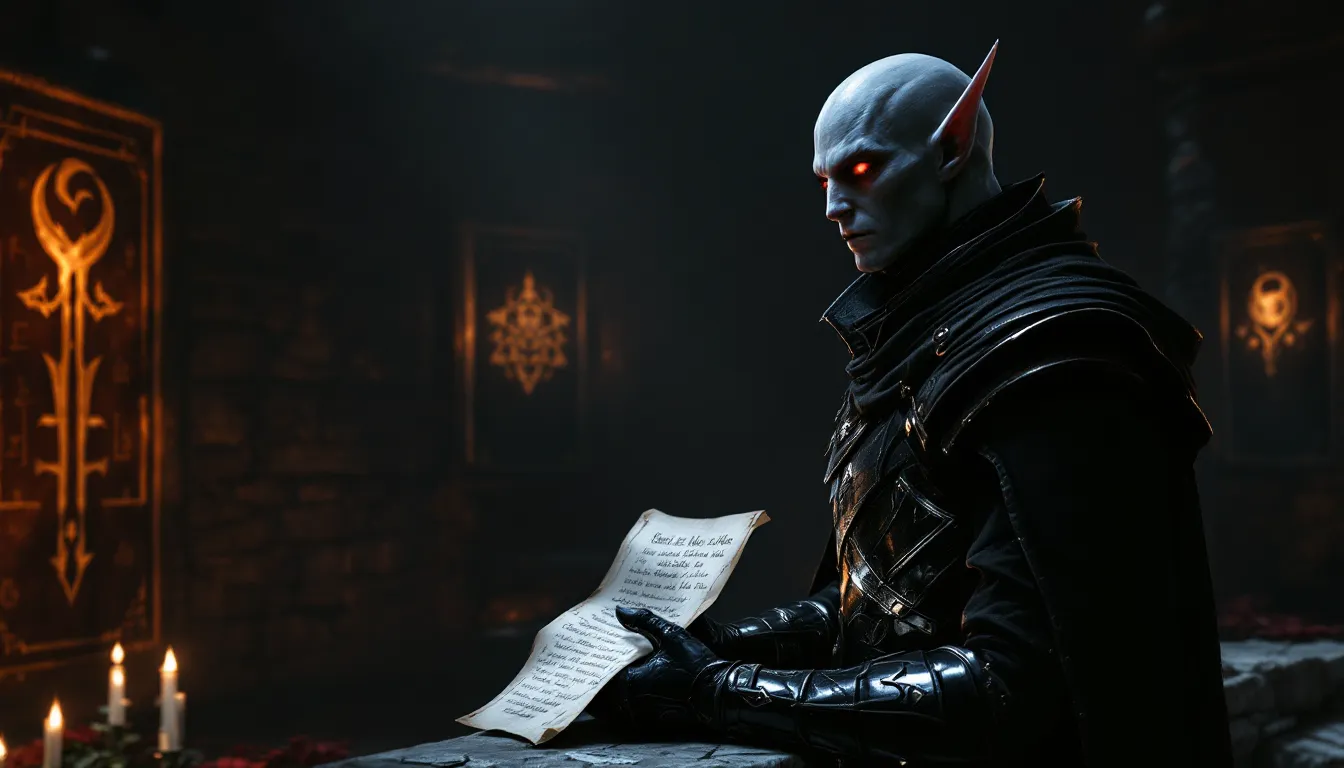
Creating a Dark Elf character in Skyrim means more than just selecting ash-gray skin and red eyes. The name you pick sets the tone for your entire playthrough, influencing how you roleplay, how NPCs perceive you, and how immersed you’ll feel in the province of Skyrim. Whether you’re rolling a Dunmer assassin for the Dark Brotherhood, a mage destined for the College of Winterhold, or a warrior carving out a place in Windhelm’s Gray Quarter, the right name matters.
Dark Elves, or Dunmer, carry centuries of lore embedded in their naming conventions. Their names aren’t random jumbles of syllables, they reflect the harsh volcanic landscapes of Morrowind, the rigid hierarchy of the Great Houses, and the proud, often bitter culture of a people repeatedly displaced and marginalized. If you’ve ever wondered why every other Dunmer in Skyrim seems to have a name ending in “-eth” or “-en,” you’re not alone. This guide breaks down everything you need to know about Dunmer naming traditions, from canonical examples pulled straight from the game to phonetic patterns you can use to craft your own authentic-sounding dark elf name.
We’ll cover male and female naming conventions, family surnames tied to the Great Houses, phonetic rules that make a name sound genuinely Dunmer, and specific name combinations suited to different character builds. Plus, we’ll touch on dark elf name generators and roleplay considerations to help you create a character that feels like they belong in Tamriel.
Table of Contents
ToggleKey Takeaways
- Dark elf names in Skyrim follow specific phonetic patterns including consonant clusters (dr, br, tl), hard consonants (v, r, n), and distinct gender-based suffixes that reflect Dunmer culture and harsh Morrowind heritage.
- Male dark elf names typically end in suffixes like -en, -il, -us, -yn, or -ur, while female dark elf names use softer endings such as -yna, -eth, -a, -ye, or -iah to create authentically differentiated Dunmer identities.
- Great House surnames like Redoran, Telvanni, Hlaalu, and Indoril carry significant cultural weight in dark elf naming conventions, signaling social standing, profession, and philosophical alignment within traditional Dunmer society.
- Creating your own dark elf names involves combining recognizable prefixes (Drav-, Brel-, Tel-, Sel-) with appropriate suffixes while maintaining the guttural, sharp phonetic quality that defines authentic Skyrim-style Dunmer names.
- Matching your dark elf name to your character build and backstory—whether assassin, mage, or warrior—enhances immersion and helps guide roleplay decisions throughout your Skyrim playthrough.
- Dark elf name generators and community resources like UESP wikis provide lore-friendly inspiration, but the most authentic dark elf names come from understanding and applying the underlying phonetic rules and cultural patterns yourself.
Understanding Dark Elf (Dunmer) Culture and Naming Traditions
The Origins of Dunmer Names in Elder Scrolls Lore
Dunmer naming conventions didn’t appear out of thin air. They’re rooted in the deep lore of the Elder Scrolls universe, stretching back to the First Era and the transformation of the Chimer into the Dark Elves by the Daedric Prince Azura. The shift from Chimer to Dunmer didn’t just change their appearance, it altered their culture, their relationship with the Tribunal, and yes, their names.
Most Dunmer names draw from a blend of ancient Chimeri roots and Daedric influences, with phonetic structures that reflect the harsh, volcanic environment of Morrowind. The language carries guttural consonants, sharp vowel sounds, and a rhythm that mirrors the rigid social structures of the Great Houses. Names often signify lineage, allegiance, and social standing, making them a critical part of a Dunmer’s identity.
In the context of Skyrim, many Dark Elves are refugees from the Red Year, the catastrophic eruption of Red Mountain in 4E 5 that devastated Morrowind. The names you encounter in the Gray Quarter of Windhelm or scattered across Skyrim’s cities carry that weight. They’re not just labels: they’re reminders of a lost homeland and a culture struggling to survive in a foreign land.
How Dark Elf Names Reflect Their Culture
Dunmer culture is built on pride, tradition, and a complicated relationship with both ancestry and the divine. Names reflect this in several ways. First, there’s a clear distinction between male and female naming patterns, with specific suffixes and phonetic markers that signal gender. Second, family names, especially those tied to the Great Houses like Hlaalu, Redoran, Telvanni, and Indoril, carry enormous social weight.
A Dunmer’s given name often reflects qualities their parents hoped they’d embody or the circumstances of their birth. Harsh-sounding names with sharp consonants (like “Brelyna” or “Revyn”) mirror the unforgiving landscape of Morrowind, while softer names sometimes appear among Dunmer who’ve integrated into Imperial or Nordic societies.
The Great House system also influences naming. A Dunmer affiliated with House Redoran might carry a surname that signals martial tradition, while a Telvanni-aligned mage might have a name steeped in arcane or mystical connotations. In Skyrim, you’ll notice that many Dunmer have dropped or downplayed their House affiliations due to the Red Year and subsequent diaspora, but the naming patterns persist. Understanding these cultural layers helps you pick, or create, a name that feels authentic and grounded in the game’s world.
Popular Male Dark Elf Names in Skyrim
Canonical Male Dunmer Names from the Game
Skyrim is packed with male Dark Elf NPCs, and their names provide a solid foundation for understanding what sounds authentically Dunmer. Here’s a breakdown of some of the most recognizable male dark elf names you’ll encounter:
- Revyn Sadri – Owner of Sadri’s Used Wares in Windhelm. The name “Revyn” carries that classic sharp “v” and “n” combo.
- Brand-Shei – A merchant in Riften with an atypical name, reflecting his complicated backstory (raised by Argonians).
- Telrav – A bandit you encounter on the road. Short, punchy, and distinctly Dunmer.
- Adril Arano – A major NPC in the Dragonborn DLC, serving as second-in-command in Raven Rock.
- Brelyna Maryon – Wait, that’s female. Scratch that.
- Athis – A member of the Companions in Whiterun. The name is softer than most, possibly reflecting his integration into Nord society.
- Savos Aren – The Arch-Mage of the College of Winterhold (before you take over). “Savos” has a scholarly weight to it.
- Erandur – A priest of Mara and a companion in the “Waking Nightmare” quest. The “-ur” suffix is common in male Dunmer names.
These names share common traits: consonant clusters (“dr,” “br,” “th”), the frequent use of “v,” “r,” and “n,” and endings like “-en,” “-il,” “-us,” and “-ur.”
Creating Your Own Male Dark Elf Name
If you’re not satisfied with the pre-existing options, crafting your own Skyrim dark elf name is straightforward once you understand the patterns. Start with a strong consonant cluster, “Dr,” “Br,” “Rel,” “Nev,” “Sar,” or “Tel” work well. Then add a vowel (“a,” “e,” or “o” are most common) and finish with a suffix.
Common male suffixes include:
- -en (Llaren, Diren, Faren)
- -il (Morvil, Athil, Belvil)
- -us (Telrus, Savus, Relus)
- -yn (Moryn, Selvyn, Dravyn)
- -ar (Nevar, Relvar, Sevar)
- -ur (Mathur, Selvur, Drenur)
Mix and match to taste. A name like “Dravyn Aravel” sounds immediately Dunmer without directly copying a canonical character. “Selvus Teloran” works for a mage, while “Reldris Sadran” fits a warrior or mercenary. The key is maintaining that guttural, sharp phonetic quality that defines the Dunmer sound.
Popular Female Dark Elf Names in Skyrim
Canonical Female Dunmer Names from the Game
Female Dark Elf names in Skyrim follow distinct patterns that differentiate them from their male counterparts. Here are some of the standout examples from the game:
- Brelyna Maryon – A mage at the College of Winterhold and a potential follower. The “-yna” ending is quintessentially feminine in Dunmer naming.
- Jenassa – A mercenary available for hire in Whiterun. The double “s” and “-a” ending give it a sharp, dangerous edge.
- Karliah – A key figure in the Thieves Guild questline. The “-iah” ending is less common but still fits the phonetic mold.
- Niranye – A merchant in Windhelm with ties to the Black-Briar family. The “-ye” ending is another feminine marker.
- Tilisu Severin – An NPC in the Dragonborn DLC. “Tilisu” has a softer, more melodic quality.
- Drovas Relvi – Actually male. Let’s replace that with Dreyla Alor, a resident of Raven Rock.
- Cindiri Arano – Another NPC from Solstheim. The “-i” ending reinforces the feminine tone.
- Aphia Velothi – A priestess in Raven Rock. “Aphia” has an almost musical quality compared to harsher male names.
Female Dunmer names tend to end in “-a,” “-ya,” “-eth,” “-yne,” “-ye,” or “-iah.” They often feature softer consonants or vowel-heavy structures, though they’re never delicate, Dunmer women are as hardened by their culture as the men.
Creating Your Own Female Dark Elf Name
Building a female dark elf name follows similar logic to male names but with different phonetic endpoints. Start with a consonant or consonant cluster, “Br,” “Dr,” “Ner,” “Sav,” “Mel,” or “Tir” are solid choices. Add vowels (“e,” “i,” and “a” are most common), then finish with a feminine suffix.
Common female suffixes:
- -yna (Dravyna, Selvyna, Mervyna)
- -eth (Nireth, Sareth, Beleth)
- -a (Tirasa, Nelva, Dreyla)
- -ye (Selvye, Mervye, Brelvye)
- -iah (Neriah, Draviah, Selviah)
- -ine (Dreline, Mervine, Breline)
A name like “Selvyna Hleryn” immediately signals a Dunmer mage, while “Dralas Veloth” could work for a warrior or assassin. “Merviah Sadri” sounds like it could belong to a merchant or scholar. The trick is balancing harshness with the softer endings that define female Dunmer phonetics. You want a name that sounds like it’s been shaped by volcanic ash and centuries of tradition, not something that could fit a Wood Elf or Breton.
Dark Elf Family Names and Surnames
Great House Naming Conventions
In traditional Dunmer society, your Great House affiliation defines your social standing, career prospects, and even your survival. The five major Great Houses, Hlaalu, Redoran, Telvanni, Indoril, and Dres, each carry distinct cultural identities, and surnames often reflect those allegiances.
House Hlaalu was known for mercantile prowess and political maneuvering. Surnames like Hlaalu, Hlervu, and Hlaren appear frequently. They favor smoother consonant blends, reflecting their focus on trade and diplomacy.
House Redoran emphasizes martial honor and duty. Surnames such as Redoran, Saren, Rethan, and Retheran carry a weightier, more grounded sound. If your character is a warrior with a strong sense of tradition, a Redoran-affiliated surname fits.
House Telvanni is the domain of isolationist mages and arcane researchers. Surnames like Telvanni, Telendas, and Terandas have an almost mystical quality. The “Tel-” prefix is a dead giveaway.
House Indoril was deeply tied to the Tribunal Temple and religious orthodoxy. Surnames such as Indoril, Ienith, and Ienth appear less frequently in Skyrim due to the House’s decline after the fall of the Tribunal.
House Dres focused on agriculture and slavery (a practice outlawed by the time of Skyrim). Dres-affiliated names like Dres, Drenim, and Dreleth are rarer in the game, but they exist.
By the Fourth Era, many Dunmer have lost or abandoned their Great House affiliations due to the Red Year and the collapse of traditional Morrowind society. In Skyrim, you’ll encounter Dunmer with Great House surnames living as refugees, merchants, or laborers far from their ancestral roles.
Common Dunmer Surnames in Skyrim
Beyond the Great Houses, there’s a wide pool of common Dunmer surnames you’ll encounter in Skyrim. Many of these have no direct House affiliation, reflecting either lower social standing or a deliberate severing of ties. Here’s a sampling:
- Sadri (Revyn Sadri)
- Aren (Savos Aren)
- Arano (Adril Arano, Cindiri Arano)
- Maryon (Brelyna Maryon)
- Severin (Tilisu Severin)
- Velothi (Aphia Velothi)
- Alor (Dreyla Alor)
- Ulen (Ambarys Ulen)
- Atheron (Malur Atheron)
These surnames follow predictable phonetic patterns: consonant clusters with “r,” “l,” “v,” and “n,” and endings in “-en,” “-on,” “-ri,” or “-eth.” When you’re building your own Dunmer character, pairing a fitting given name with one of these surnames, or a variation, creates instant authenticity. “Selvyn Atheron” sounds like a Dunmer scholar, while “Dralas Ulen” could be a refugee struggling in Windhelm’s Gray Quarter.
Dark Elf Naming Patterns and Phonetic Rules
Common Prefixes and Suffixes
Dunmer names aren’t random. They follow phonetic structures that make them instantly recognizable. Understanding these patterns lets you create new names that sound like they belong in the game, or spot the fakes when someone’s clearly just mashing keys.
Common Prefixes:
- Brel- (Brelyna, Brelveth)
- Drav- (Dravyn, Draviah)
- Nel- (Neloth, Nelasa)
- Sav- (Savos, Savela)
- Tel- (Telrav, Telandas – often Telvanni-affiliated)
- Mer- (Mervyne, Merviah)
- Ath- (Athis, Atheron)
- Rev- (Revyn, Revela)
- Mor- (Morvayn, Morviah)
These prefixes carry weight. “Tel-” signals arcane connections, “Drav-” sounds harsh and martial, and “Sav-” has a scholarly or noble ring.
Common Suffixes (Male):
- -en, -yn, -il, -us, -ar, -ur
These create a harder, more abrupt ending that suits male Dunmer phonetics.
Common Suffixes (Female):
- -yna, -eth, -a, -ye, -iah, -ine
These soften the name without making it delicate. A name like “Dravyna” still sounds dangerous.
Consonant Clusters:
Dunmer names love consonant clusters, “dr,” “br,” “tl,” “sv,” “nv,” “rv.” These create the guttural, sharp quality that defines the Dunmer sound. You won’t find many Dunmer names with soft starts like “Li-” or “Ae-” (those are more High Elf or Wood Elf territory).
Pronunciation Guidelines
Dunmer names aren’t always intuitive for English speakers, but they follow consistent rules once you know them. Here’s how to sound like you know what you’re doing:
- “Tl” blends: In names like “Tleso” or “Tlaros,” the “tl” is pronounced as a single syllable, almost like a soft click. It’s not “tuh-leh-so,” it’s “tleh-so.”
- Hard “v” sounds: The “v” in Dunmer names is always hard, never soft. “Dravyn” is “DRAH-vin,” not “dray-vin.”
- Rolled or trilled “r”: While the game’s voice acting doesn’t always reflect this, lore-wise, Dunmer “r” sounds have a slight trill, especially in names like “Revyn” or “Releth.”
- Stress on the first syllable: Most Dunmer names emphasize the first syllable. “BRELyna,” “SAVos,” “DRAvas.”
- Silent letters are rare: Unlike French or some other languages, Dunmer names pronounce almost every letter. “Hlaalu” is “hlah-loo,” not “lah-loo.”
If you’re roleplaying and want to sound authentic when you introduce your character, practice saying the name out loud. If it feels awkward or too smooth, it might not be Dunmer enough. The phonetics should feel slightly harsh, with sharp consonants and clear vowel breaks.
Top Dark Elf Name Combinations for Your Character
Names for Assassin/Stealth Builds
If you’re rolling a Dunmer for the Dark Brotherhood or the Thieves Guild, the name should reflect stealth, danger, and a certain cold efficiency. You want something that sounds like it could belong to a blade in the dark, not a court mage.
Male Assassin Names:
- Dravyn Severin – Sharp, dangerous, and tied to a recognizable Dunmer surname.
- Selvus Atheron – “Selvus” has a shadowy, quiet quality.
- Nevyn Ulen – Short, punchy, and easy to remember.
- Reldris Sadran – The double “r” and “d” create a harsh, efficient sound.
- Telras Hlervu – For a Telvanni-trained assassin with arcane leanings.
Female Assassin Names:
- Draviah Veloth – “Draviah” sounds lethal, and “Veloth” ties to Dunmer religious history.
- Selvyna Aren – A name that could belong to a nightblade or shadow mage.
- Nireth Sadri – Clean, sharp, and fits the refugee-turned-assassin archetype.
- Mervyne Hleryn – Slightly more elegant but no less deadly.
- Jeneth Ulen – Short, efficient, and easy to shout when an NPC discovers a body.
These names sound like they belong in the shadows. They’re not flashy or ostentatious, they’re practical, dangerous, and unmistakably Dunmer.
Names for Mage Builds
Dunmer make excellent mages, especially Destruction specialists (hello, fire resistance). If you’re heading to the College of Winterhold or building a Telvanni-style wizard, you want a name that signals arcane knowledge and a touch of arrogance.
Male Mage Names:
- Savos Telandas – “Savos” already has a scholarly ring, and “Telandas” screams Telvanni.
- Neloth Atheron – Neloth is a canonical Telvanni mage, so borrowing the prefix works.
- Telvyn Dres – Short, sharp, and arcane.
- Belvil Indaren – A name that sounds like it belongs to a Conjuration or Illusion specialist.
- Athis Teloran – Softer than some, but still fits a mage who’s integrated into Nordic society.
Female Mage Names:
- Brelyna Telvos – Brelyna’s already a mage in-game, so variations on her name work well.
- Selveth Aralen – The “-eth” ending adds gravitas.
- Merviah Indoril – A name with religious and arcane weight.
- Dravyna Telendas – Perfect for a Destruction or Conjuration specialist.
- Tirasa Veloth – A name that balances scholarly tone with cultural depth.
Mage names often benefit from longer surnames or those with “Tel-” prefixes, reinforcing the Telvanni association. They should sound intelligent, proud, and maybe a little condescending, just like a proper Dunmer wizard.
Names for Warrior Builds
Dunmer warriors are less common than mages or assassins, but they’re no less effective. If you’re building a Redoran-style warrior or a mercenary who’s survived on steel and grit, the name should be grounded, hard, and unyielding.
Male Warrior Names:
- Reldris Redoran – A name that screams martial tradition and honor.
- Dravus Saren – Hard consonants, short and brutal.
- Morvyn Rethan – A name fit for a shield-brother in the Companions.
- Athis Severin – Athis is already a Companion, so this works for a similar build.
- Selvur Athil – A mercenary or soldier-for-hire.
Female Warrior Names:
- Dralas Redoran – A female warrior with deep ties to House Redoran.
- Selveth Saren – The “-eth” ending adds a classical Dunmer weight.
- Mervyne Atheron – A name that could belong to a Windhelm guard or a freelance blade.
- Nireth Rethan – Short, sharp, and combat-ready.
- Breleth Severin – A variation on Brelyna, but harder and more martial.
Warrior names should avoid overly soft or melodic sounds. You want harshness, strength, and a name that sounds like it’s been tested in battle. These names fit characters who’ve survived the harsh realities of post-Red Year Morrowind and carved out a place in Skyrim through sheer force.
Dark Elf Name Generators and Resources
If building a name from scratch feels like too much work, or you just want to cycle through options until something clicks, there are several dark elf name generator tools available online. These tools use the phonetic patterns and lore-friendly structures outlined above to spit out randomized Dunmer names.
Popular Dark Elf Name Generators:
- Fantasy Name Generators – Offers a dedicated Dunmer name generator with separate male and female options. It pulls from canonical naming patterns and generates lore-friendly results.
- Elder Scrolls Name Generators – Specifically tailored to the Elder Scrolls universe, including Dunmer. It often includes surname options tied to the Great Houses.
- Seventh Sanctum – A broader fantasy name generator that includes Dark Elf options. Less Elder Scrolls-specific but still useful for phonetic inspiration.
- Random Name Generator (RNG) – Offers a Skyrim-specific mode that includes all playable races, including Dunmer.
These generators are especially useful if you’re stuck or want to see variations on a theme. For example, if you like the prefix “Drav-” but can’t settle on a suffix, run the generator a few times until something like “Dravyn” or “Dravus” pops up.
Modding Resources:
If you’re playing on PC, modding communities such as those found on Nexus Mods offer name lists, character presets, and even mods that expand Dunmer NPC dialogue and lore. Some mods add hundreds of new Dunmer NPCs with lore-friendly names, giving you even more examples to draw from.
Community Wikis and Lore Databases:
Sites such as the Unofficial Elder Scrolls Pages (UESP) and The Imperial Library catalog every named Dunmer NPC across the entire Elder Scrolls series, not just Skyrim. Browsing these lists gives you a much wider pool of canonical names to reference. You’ll notice patterns that span from Morrowind (2002) to Skyrim (2011) and even into Elder Scrolls Online, showing how consistent Bethesda has been with Dunmer naming over two decades.
For players looking to cross-reference build guides or meta analysis, resources like Game8 offer tier lists and character optimization tips that can help you match your name to your build’s mechanical identity. A name like “Selvus Telandas” fits a top-tier Destruction mage, while “Dravyn Severin” suits a stealth archer or assassin.
Using Generators Effectively:
Don’t just take the first name a generator spits out. Run it several times, mix and match first and last names from different results, and tweak the spelling if something feels off. Generators are tools, not gospel. If a generator gives you “Bralvyn Telros” but “Bralvyn Teloran” sounds better to your ear, change it. The goal is a name that feels right for your character, not blind adherence to an algorithm.
Roleplay Considerations for Your Dunmer Character
How Your Name Affects Immersion
A good name does more than fill a character sheet, it shapes how you think about your character and how you engage with the world. If you’re serious about roleplaying, the name you choose sets expectations. A Dunmer named “Dravyn Redoran” immediately suggests a warrior with ties to one of the Great Houses, possibly a traditionalist struggling to uphold old values in a foreign land. A name like “Selveth Ulen” might belong to a refugee working odd jobs in Windhelm, bitter about the Nords’ treatment of her people.
Immersion breaks when your name doesn’t fit. If you’re playing a Dunmer assassin and you name them “Bob” or “xXShadowKillerXx,” it yanks you (and anyone reading your character name in multiplayer or shared screenshots) out of the fantasy. The name should feel like it belongs in Tamriel, not a forum username from 2008.
Consider how NPCs will refer to you. Skyrim’s voice acting doesn’t use your custom name, but in your head, you’re filling in those blanks. When Delvin Mallory sends you on a Thieves Guild job, does he call you “Dravyn” or “the new recruit”? A strong, lore-appropriate name makes those moments feel more real.
For players diving into walkthroughs or guides on sites like Twinfinite, immersion often extends beyond the name to the entire character build. A properly named Dunmer enhances the experience of following a Dark Brotherhood walkthrough or optimizing a stealth archer build.
Matching Names to Backstories
Your character’s backstory should inform their name, and vice versa. Here are some archetypes and how naming fits:
Refugee from the Red Year:
Your character fled Morrowind after the eruption of Red Mountain. They’re struggling in Windhelm’s Gray Quarter, facing Nordic prejudice and economic hardship. A name like “Nireth Sadri” or “Morvyn Ulen” fits, common surnames, no Great House affiliation, grounded and practical.
Great House Exile:
You were cast out from one of the Great Houses for political intrigue, forbidden love, or a failed power grab. A name like “Selvus Telvanni” or “Draviah Redoran” carries that weight. You’re clinging to your House identity even as it’s been stripped from you.
Telvanni Wizard:
You’re a mage who studied under the isolationist Telvanni before coming to Skyrim. Names like “Neloth Telendas” or “Brelyna Telvos” signal arcane mastery and a certain arrogance. You probably look down on the College of Winterhold as a quaint provincial institution.
Dark Brotherhood Assassin:
You’re a blade in the dark, loyalty pledged to the Night Mother. A name like “Dravyn Severin” or “Jeneth Veloth” is short, dangerous, and forgettable, perfect for someone who needs to disappear after a contract.
Integrated Nord-Sympathizer:
You’ve abandoned Dunmer traditions and integrated into Nordic society. A name like “Athis” (which is already canonical) or “Selvyn Aren” works, softer, less tied to the Great Houses, and easier for Nords to pronounce.
Matching your name to your backstory makes roleplaying decisions easier. When faced with a choice in a quest, help the Stormcloaks or the Imperials, join the Thieves Guild or stay clean, you can ask, “What would Dravyn Redoran do?” A well-chosen name becomes a lens for decision-making.
Conclusion
Picking the right dark elf name in Skyrim isn’t just about slapping together a couple of syllables and calling it a day. It’s about understanding the culture, lore, and phonetic patterns that make Dunmer names feel authentic. Whether you’re pulling from canonical examples like Revyn Sadri or Brelyna Maryon, building your own using the phonetic rules outlined here, or leaning on a dark elf name generator for inspiration, the goal is the same: a name that fits your character’s build, backstory, and role in the world.
Dunmer names carry weight, they reflect a culture shaped by volcanic destruction, rigid social hierarchies, and a proud, often bitter history. A name like “Dravyn Redoran” tells a story of martial tradition, while “Selveth Telvanni” signals arcane mastery. These aren’t just labels: they’re narrative tools that deepen immersion and make your playthrough feel more intentional.
So whether you’re rolling an assassin for the Dark Brotherhood, a mage bound for the College of Winterhold, or a warrior carving out survival in Windhelm’s Gray Quarter, take the time to get the name right. Your character, and your immersion, will thank you for it.